
A Multipurpose WordPress Theme
YS Blog
Featured
-
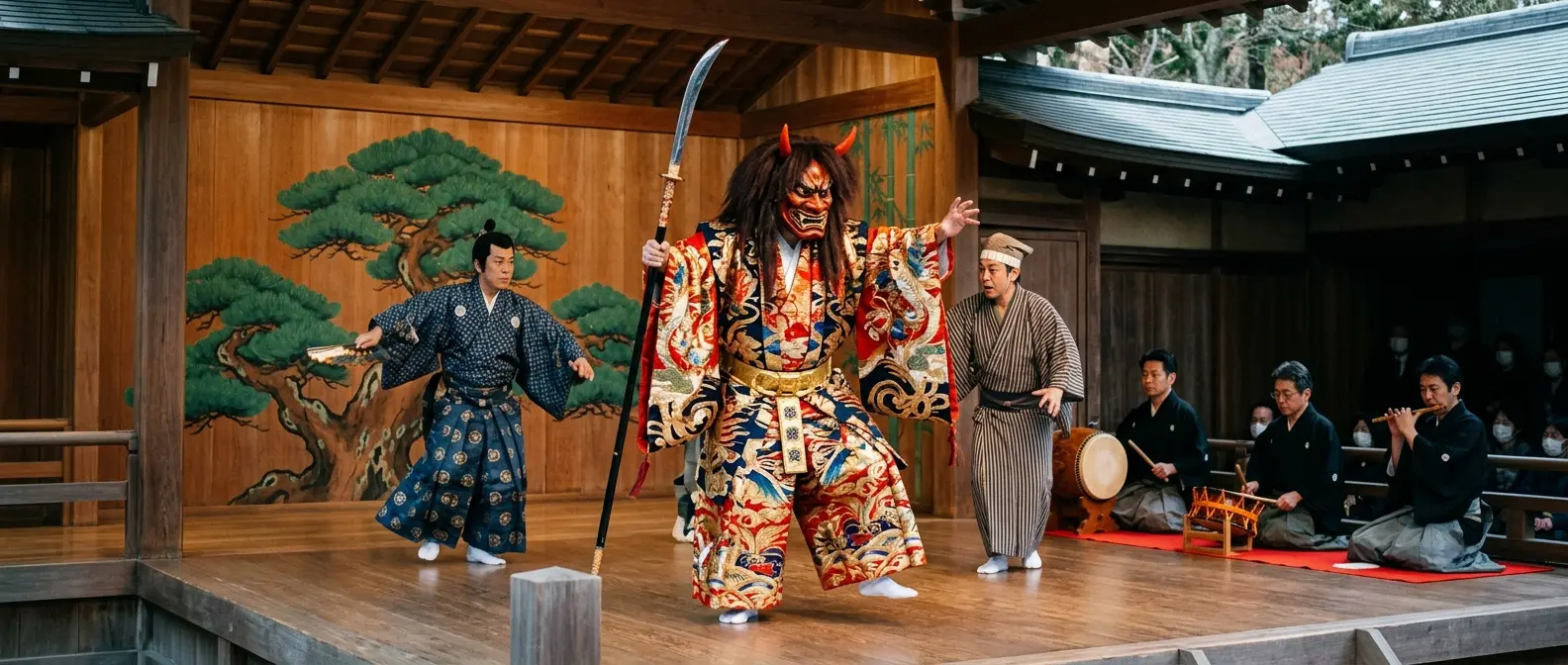
The World of Noh Theatre
Among Japan’s traditional performing arts, Noh theatre stands out for its unique approach to storytelling. Rather than relying on realistic…
-
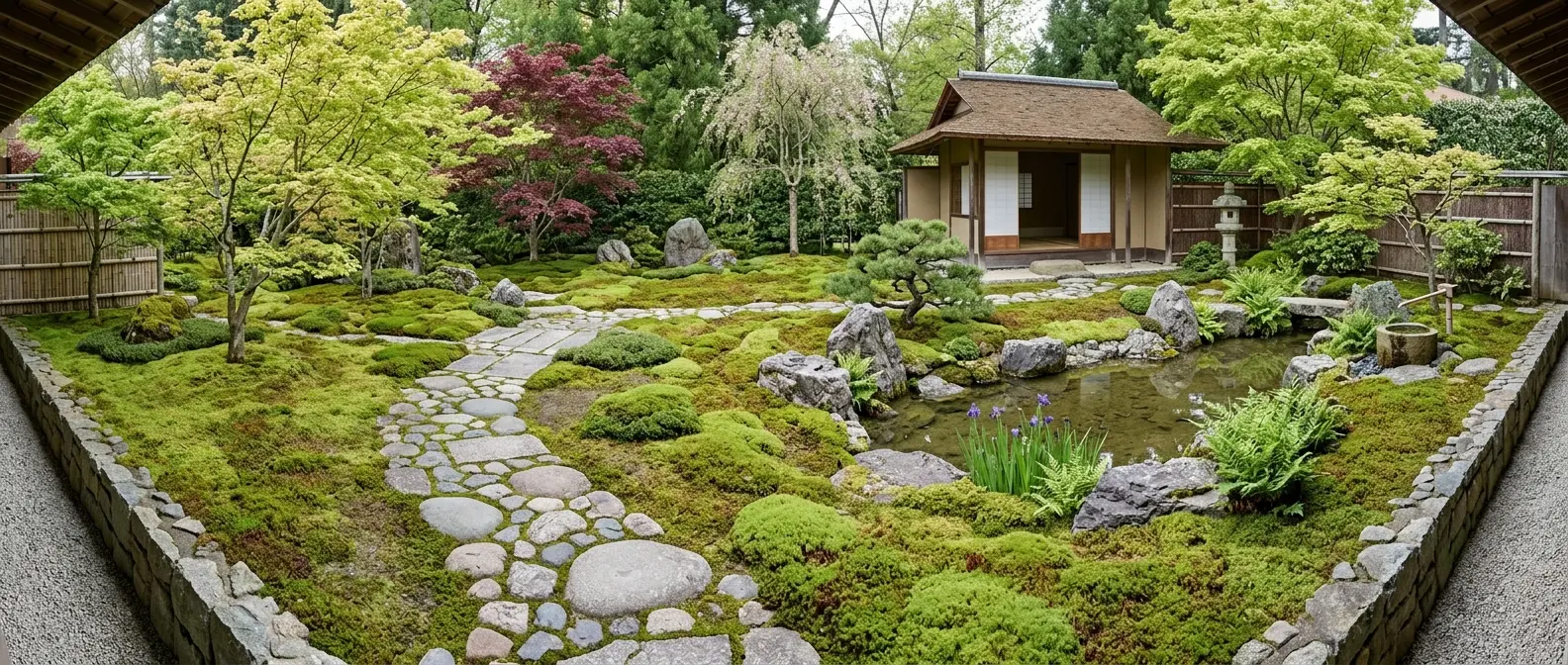
Gardens of Moss and Time
Among the many elements that define Japanese garden aesthetics, moss occupies a unique position. Unlike flowers that attract attention through…
-
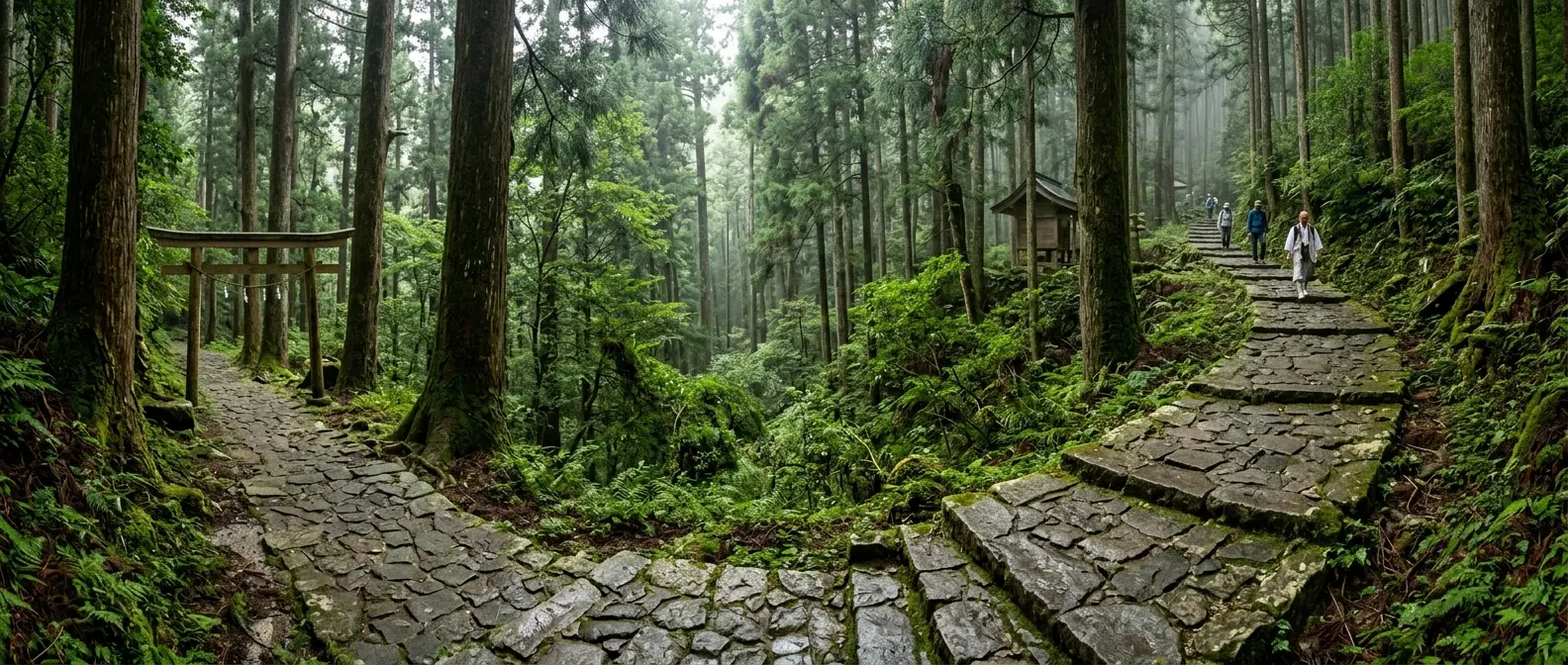
Kumano Kodō Pilgrimage
The Kumano Kodō is one of Japan’s most remarkable networks of ancient pilgrimage routes, crossing the forested mountains of the…
-
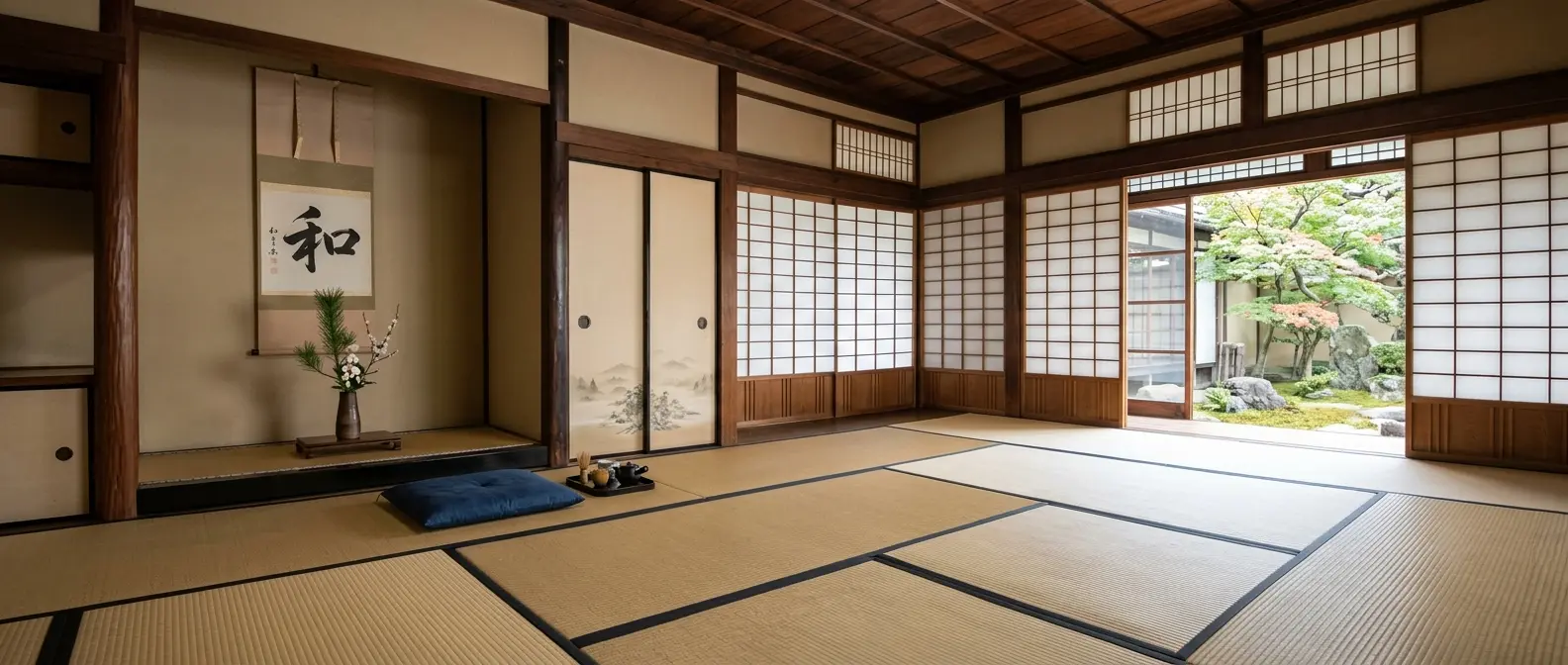
Minimalism in Everyday Life
Minimalism is often associated with the idea of owning fewer things, reducing possessions and creating simpler spaces. Yet in Japan,…
-
 Read More: Idols: Japan’s Culture of Devotion
In Japan, the word idol (アイドル, aidoru) describes a type of performer whose appeal goes beyond music or stage performance. An idol may sing, dance and appear on television, but artistic ability alone does not define the role. What makes an idol distinctive is the relationship established with the audience: a sense of familiarity, participation…
-
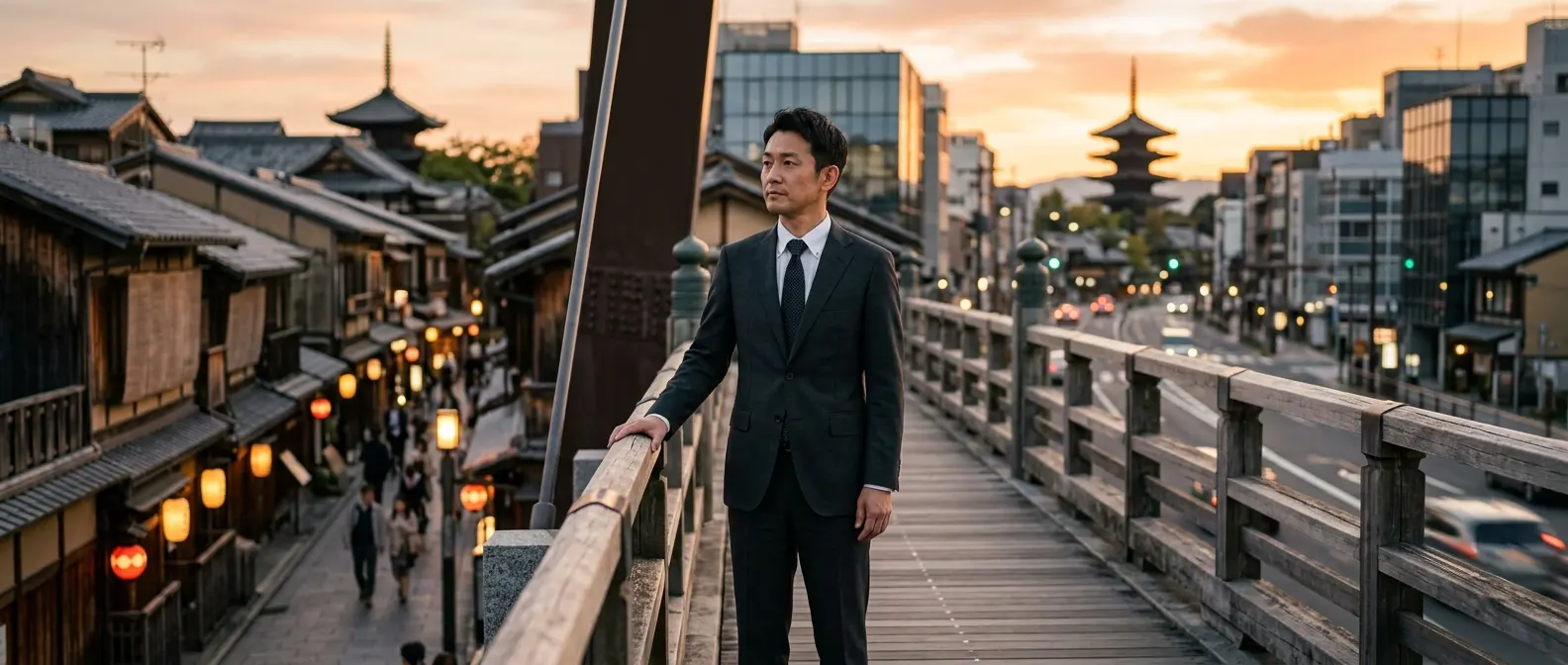 Read More: Giri and Ninjo: Between Duty and Emotion
Human decisions are rarely shaped by a single force. Personal desires, emotional bonds and social responsibilities often pull people in different directions, creating situations where there is no simple distinction between what is right and what is wrong. Japanese culture has long explored this tension through the concepts of giri (義理) and ninjo (人情). Often…
-
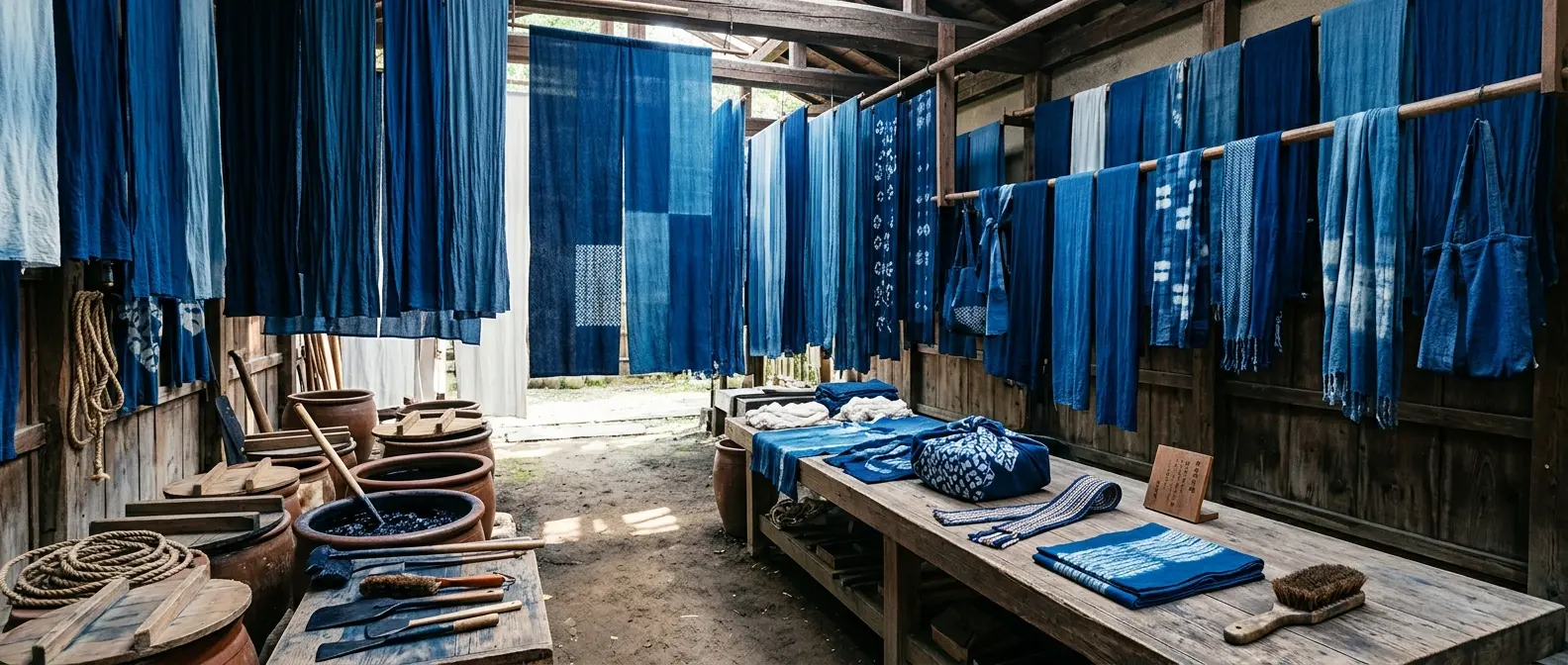 Read More: Textile Arts and Indigo Dyeing
Among Japan’s traditional crafts, textile arts reveal a profound relationship between human creativity, natural materials and the passage of time. From kimono and ceremonial garments to everyday fabrics, Japanese textiles have developed through centuries of refinement, combining technical mastery with a deep appreciation for subtle variations. Rather than focusing only on decoration, traditional Japanese textile…
-
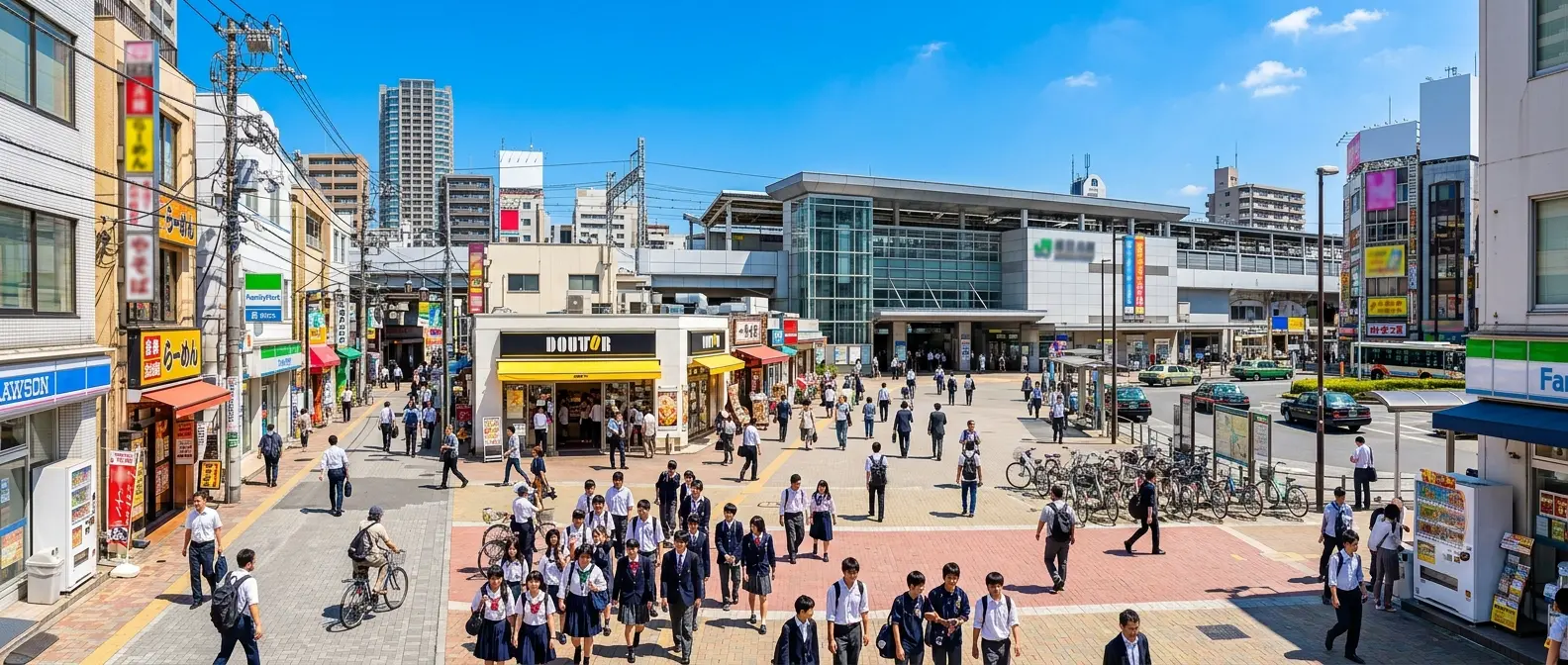 Read More: Life Around the Railway Stations
In Japan, railway stations are not simply points of arrival and departure. They are among the most important spaces of everyday urban life, places where transportation, commerce, social interaction and neighbourhood identity come together. From enormous hubs serving millions of passengers every day to small local stations surrounded by residential streets, the areas around railway…
-
 Read More: Shugendō: The Mountain Ascetics of Japan
Across Japan, mountains have long been regarded as places where the boundary between the human world and the spiritual realm becomes thinner. Beyond their role as natural landscapes, they have been seen as spaces of transformation, discipline and spiritual discovery. Among the traditions that developed around these sacred environments, Shugendō (修験道) represents one of the…
-
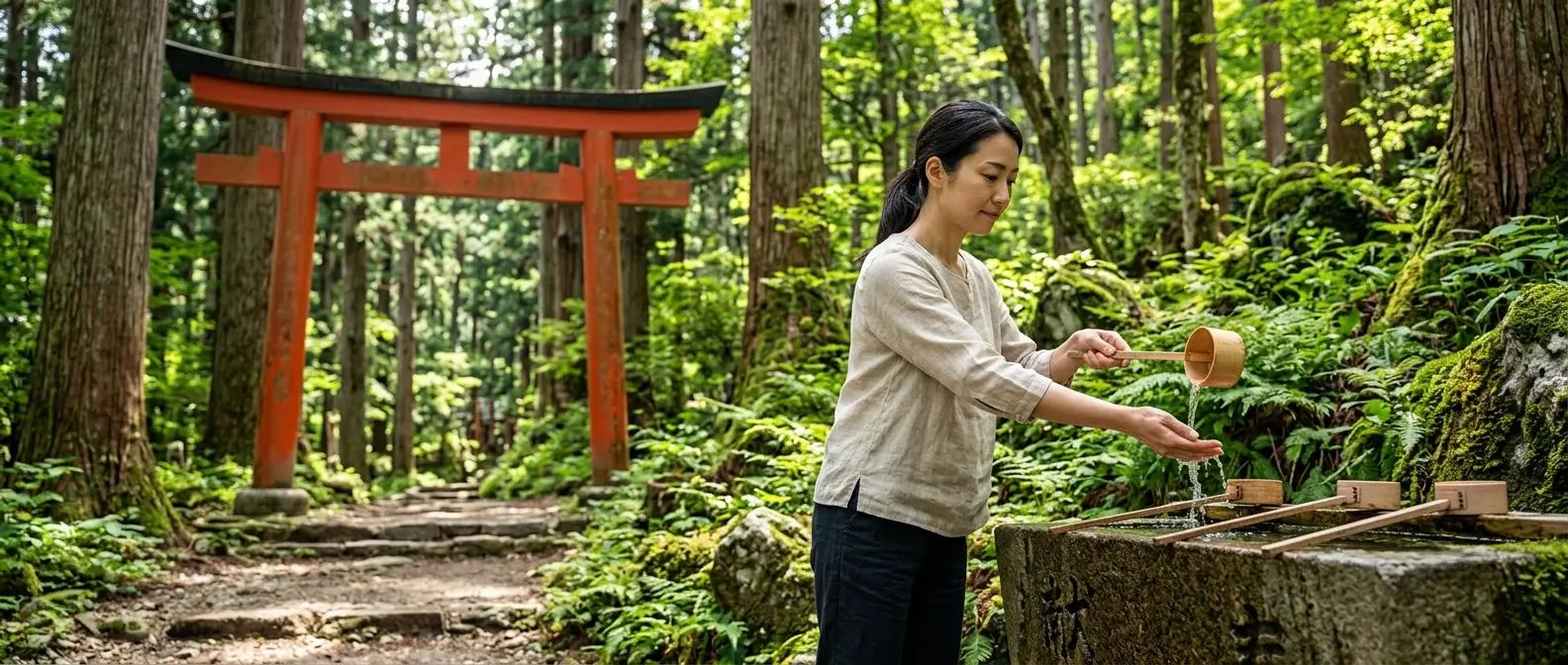 Read More: Purification and Sacred Rituals in Japan
In Japan, rituals of purification are deeply connected with the relationship between human beings, nature and the sacred. Rather than representing a strict separation between ordinary life and spirituality, these practices create moments of awareness, preparation and respect. Many of these traditions are associated with Shinto, the indigenous spiritual tradition of Japan, where sacred presence…
-
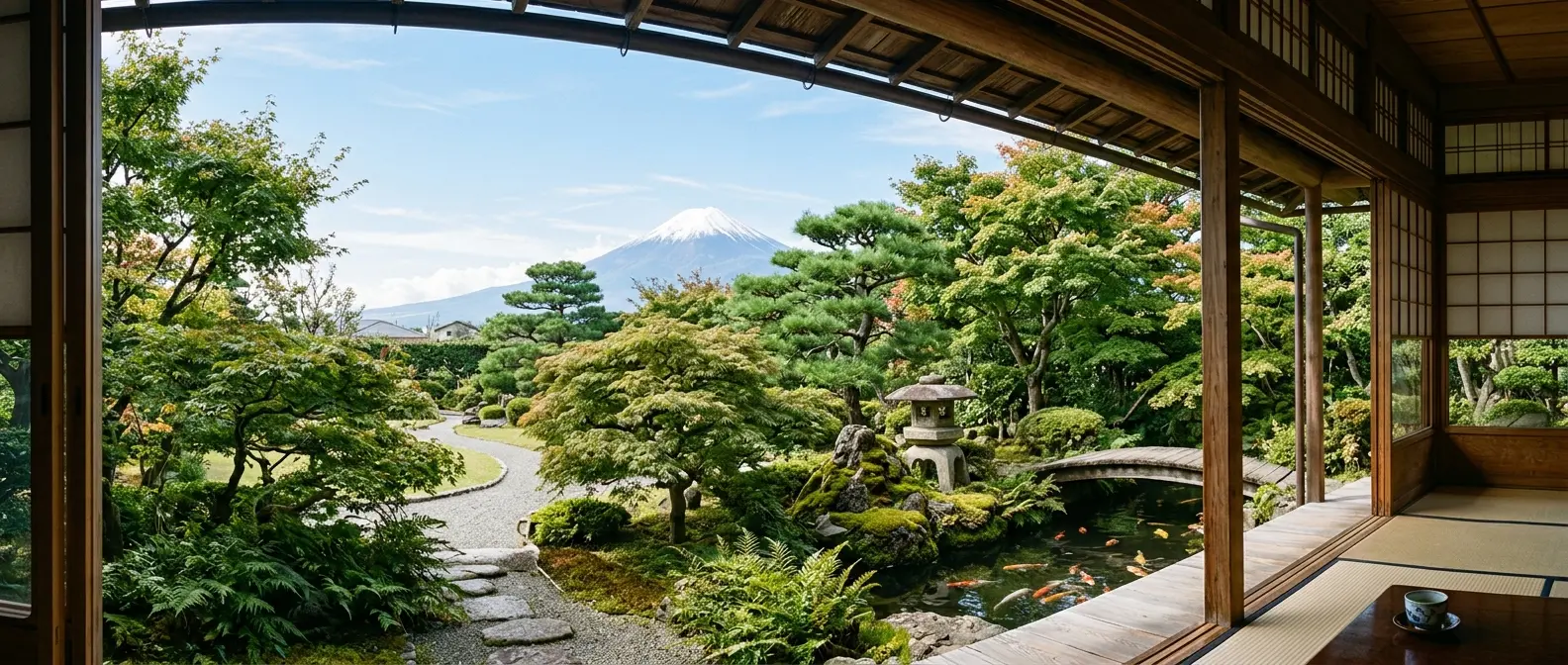 Read More: Borrowed Scenery
A Japanese garden is rarely designed as an isolated space. Beyond its walls, fences or carefully placed boundaries, the surrounding landscape often becomes part of the composition itself. A distant mountain, a line of trees or even the silhouette of a temple roof may appear to belong naturally to the garden, extending its visual and…
-
 Read More: Honne and Tatemae: The Balance Between Self and Society
In many cultures, honesty is often associated with expressing personal thoughts and feelings openly. Saying exactly what one thinks can be considered a sign of authenticity and trust. Japanese communication is often guided by a different balance between personal expression and social awareness. The concepts of honne (本音) and tatemae (建前) describe two different aspects…
-
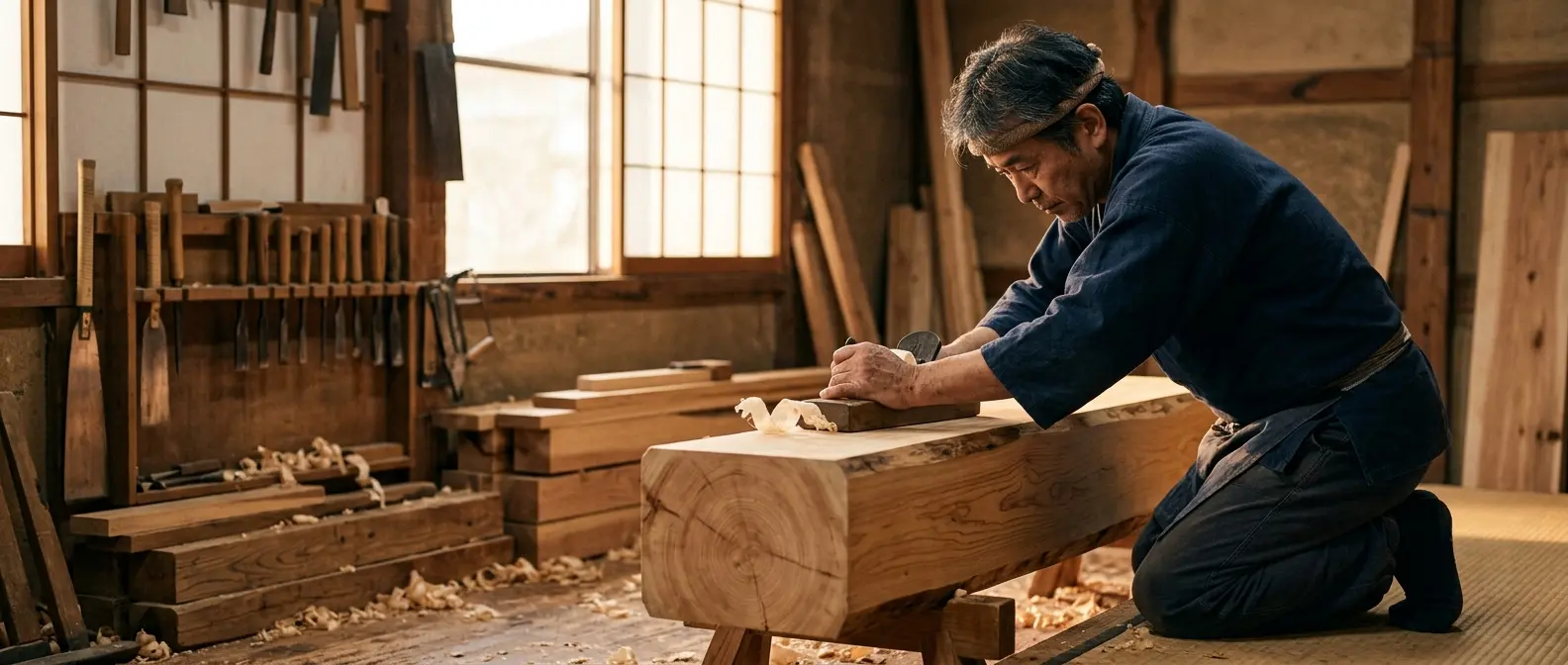 Read More: Woodworking Traditions
Among Japan’s traditional crafts, woodworking represents one of the clearest examples of harmony between human skill and natural materials. For centuries, Japanese carpenters have developed techniques based on an intimate understanding of wood: its strength, flexibility, grain and ability to change over time. Rather than forcing the material into a predetermined form, traditional Japanese woodworking…
-
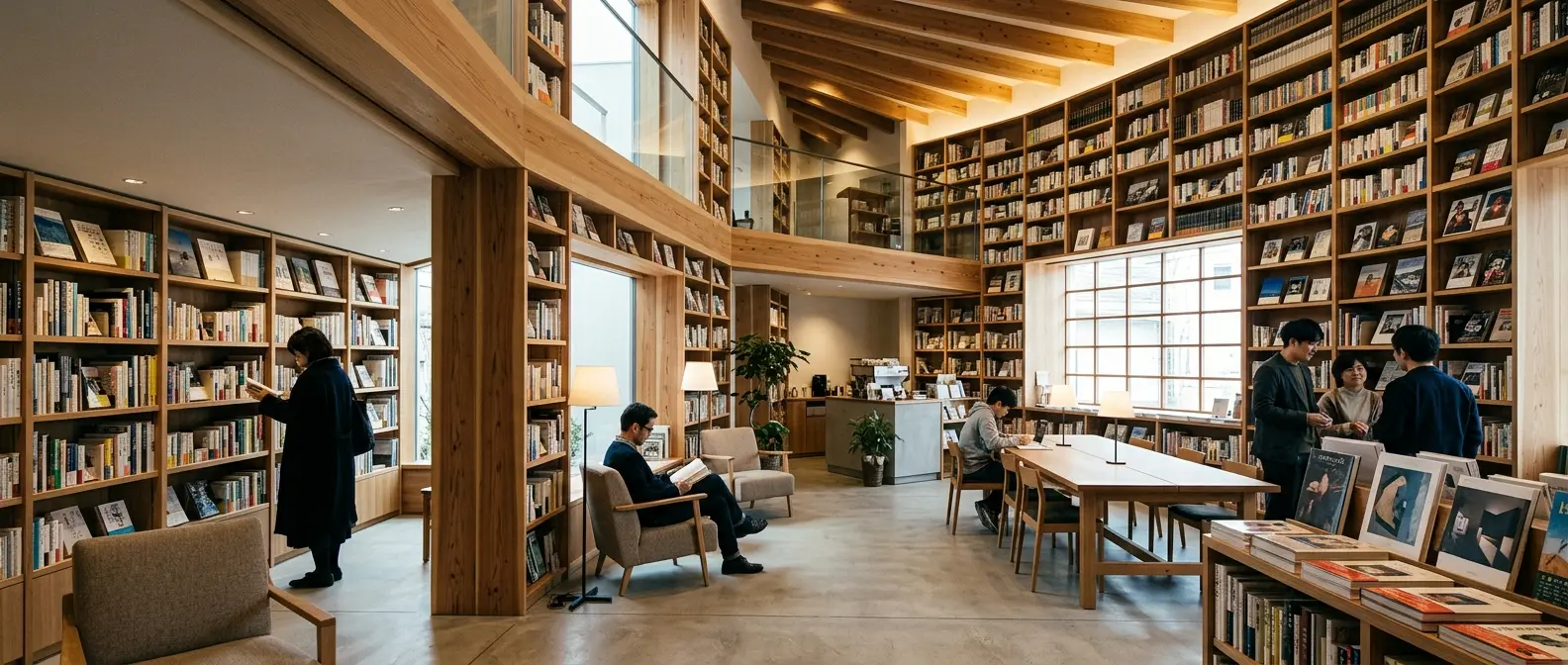 Read More: Japanese Bookstores: Spaces of Culture
In Japan, bookstores are often more than places where people purchase books. They can be spaces for discovery, quiet reflection and cultural exchange, where the relationship between readers and knowledge extends beyond the simple act of buying a publication. From large contemporary bookstores that combine literature, design and cafés to small independent shops hidden in…
-
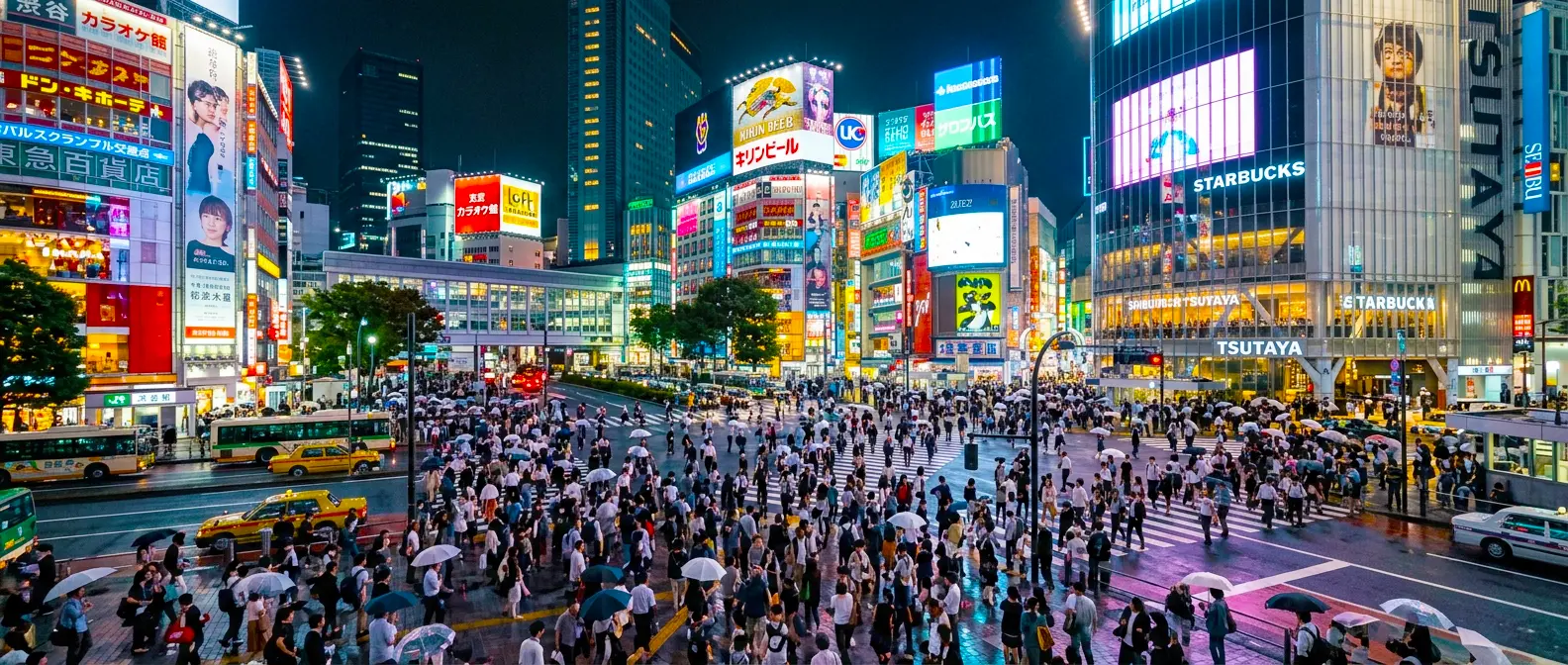 Read More: Tokyo After Sunset
As daylight fades over Tokyo, the city does not simply become darker. It changes character. The streets that appeared functional and hurried during the day reveal a different identity: illuminated avenues, quiet side roads, crowded entertainment districts and small neighbourhood spaces all begin to coexist within the same urban landscape. For many visitors, Tokyo at…
-
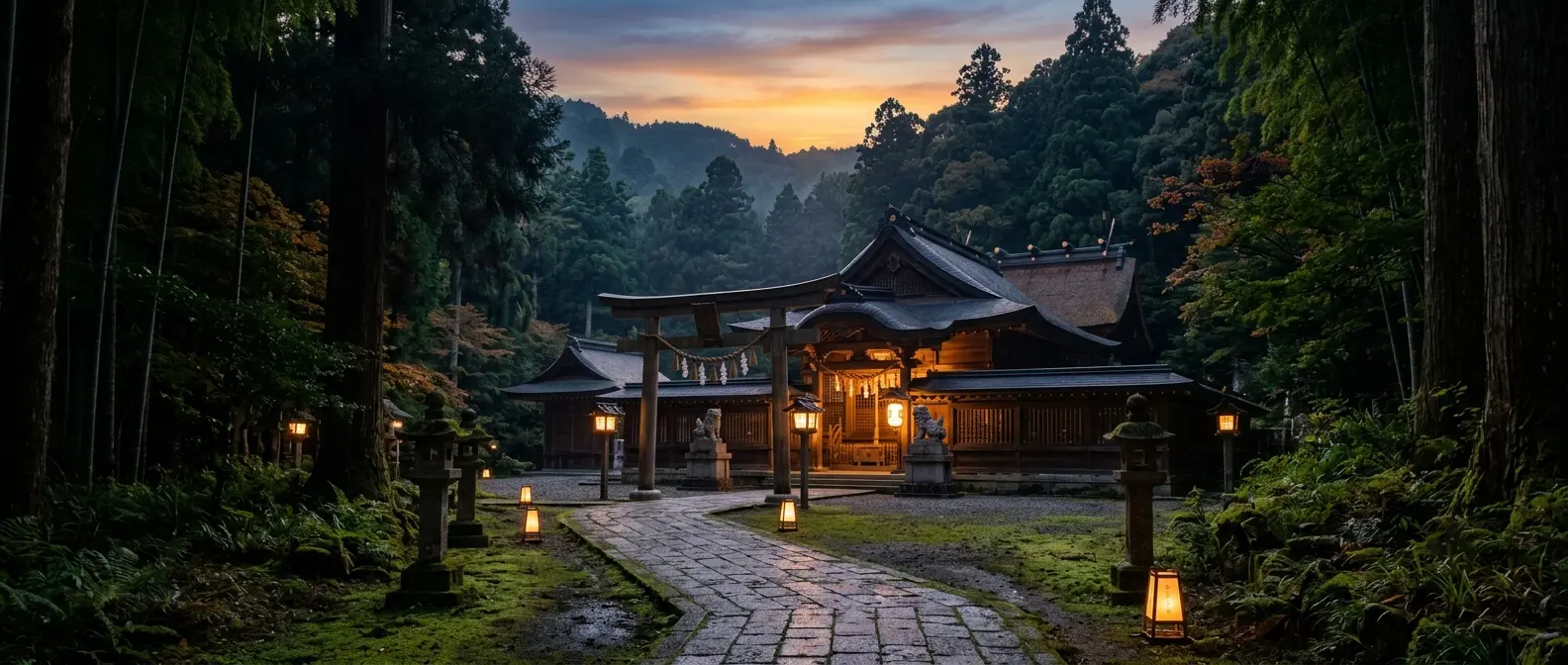 Read More: Forest Shrines and Sacred Trees
In Japan, forests are often more than natural environments. Around many Shinto shrines, trees and wooded areas have been preserved as sacred spaces where the boundary between the human world and the spiritual realm becomes less distinct. Ancient trees, quiet groves and paths surrounded by vegetation are not simply decorative elements of religious sites. They…
Urban Japan
-

Life Around the Railway Stations
In Japan, railway stations are not simply points of arrival and departure. They are among the most important spaces of…
-

Japanese Bookstores: Spaces of Culture
In Japan, bookstores are often more than places where people purchase books. They can be spaces for discovery, quiet reflection…
-
Tokyo After Sunset
As daylight fades over Tokyo, the city does not simply become darker. It changes character. The streets that appeared functional…
-
Small Cafés and Local Culture
In Japanese cities, small cafés are more than places to drink coffee. They are spaces where people slow down, spend…