
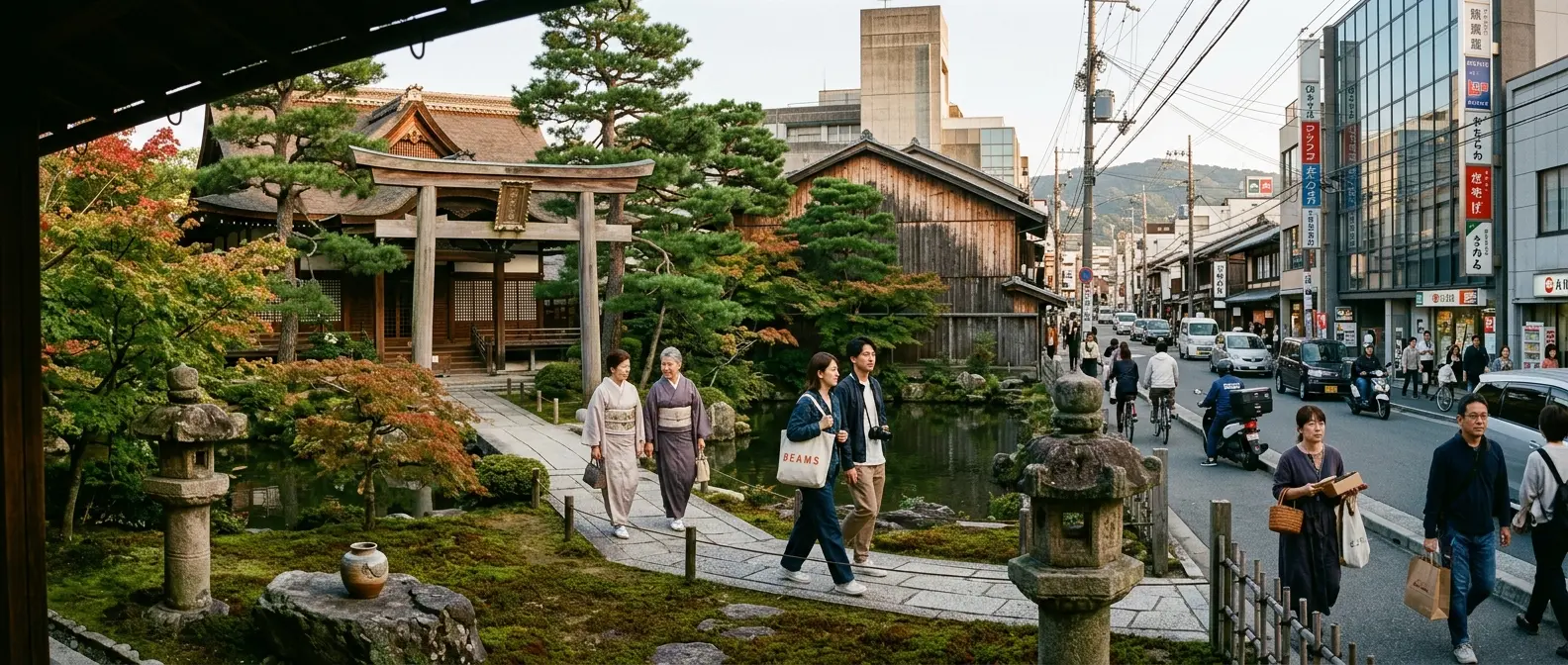
A Multipurpose WordPress Theme
YS Blog
Featured
-
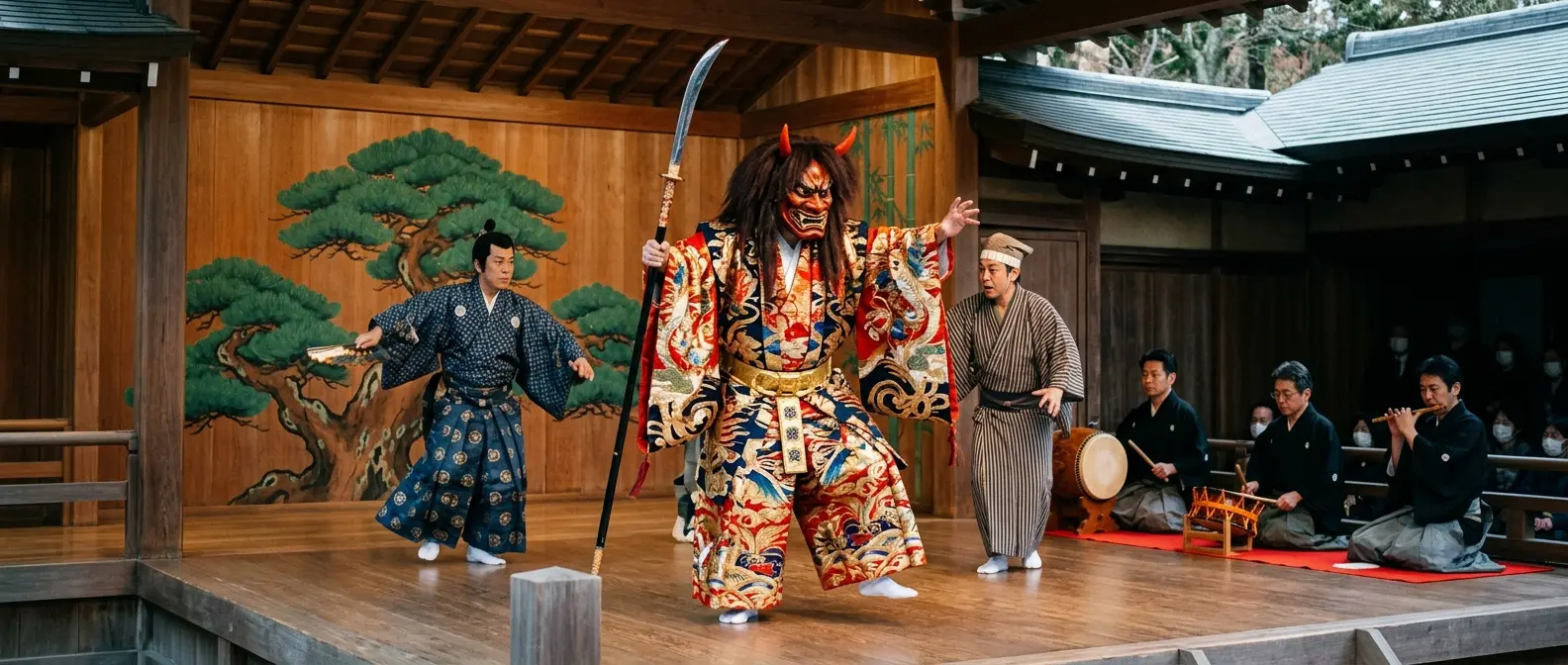
The World of Noh Theatre
Among Japan’s traditional performing arts, Noh theatre stands out for its unique approach to storytelling. Rather than relying on realistic…
-
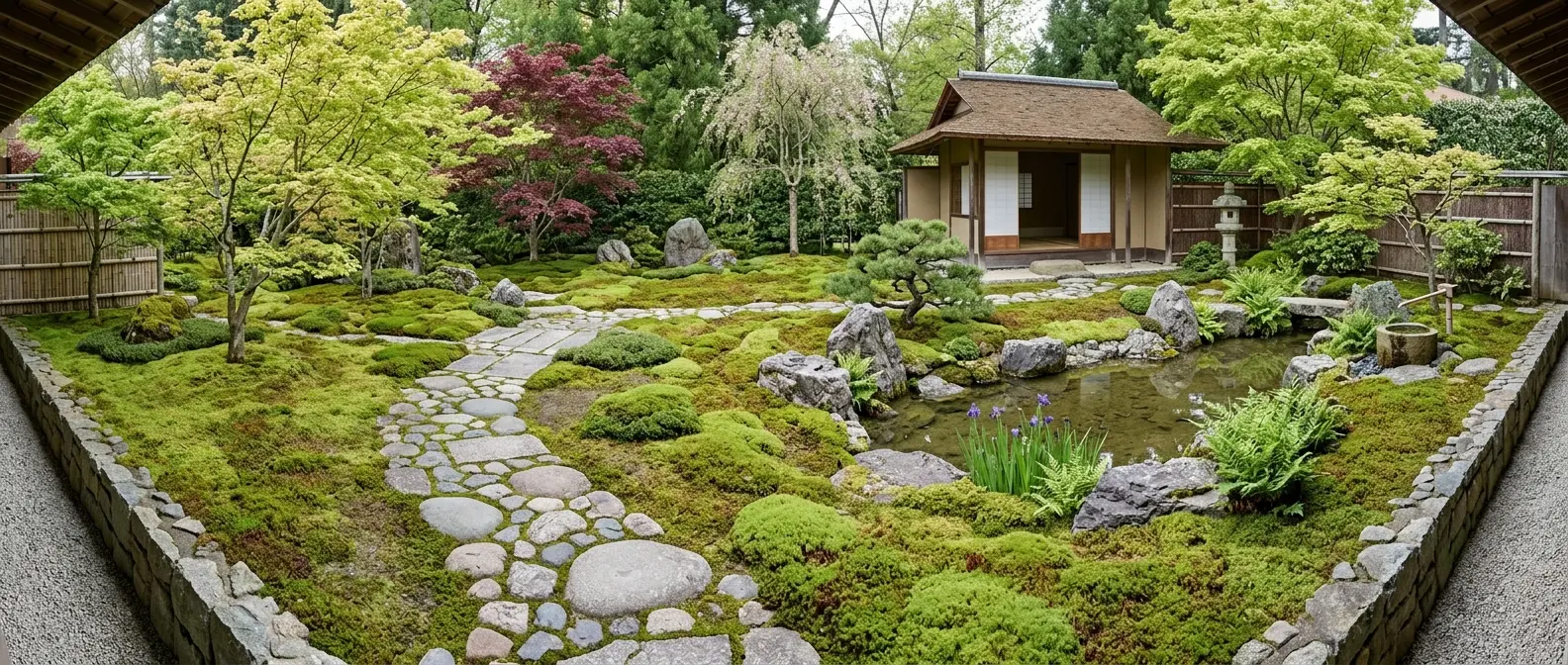
Gardens of Moss and Time
Among the many elements that define Japanese garden aesthetics, moss occupies a unique position. Unlike flowers that attract attention through…
-
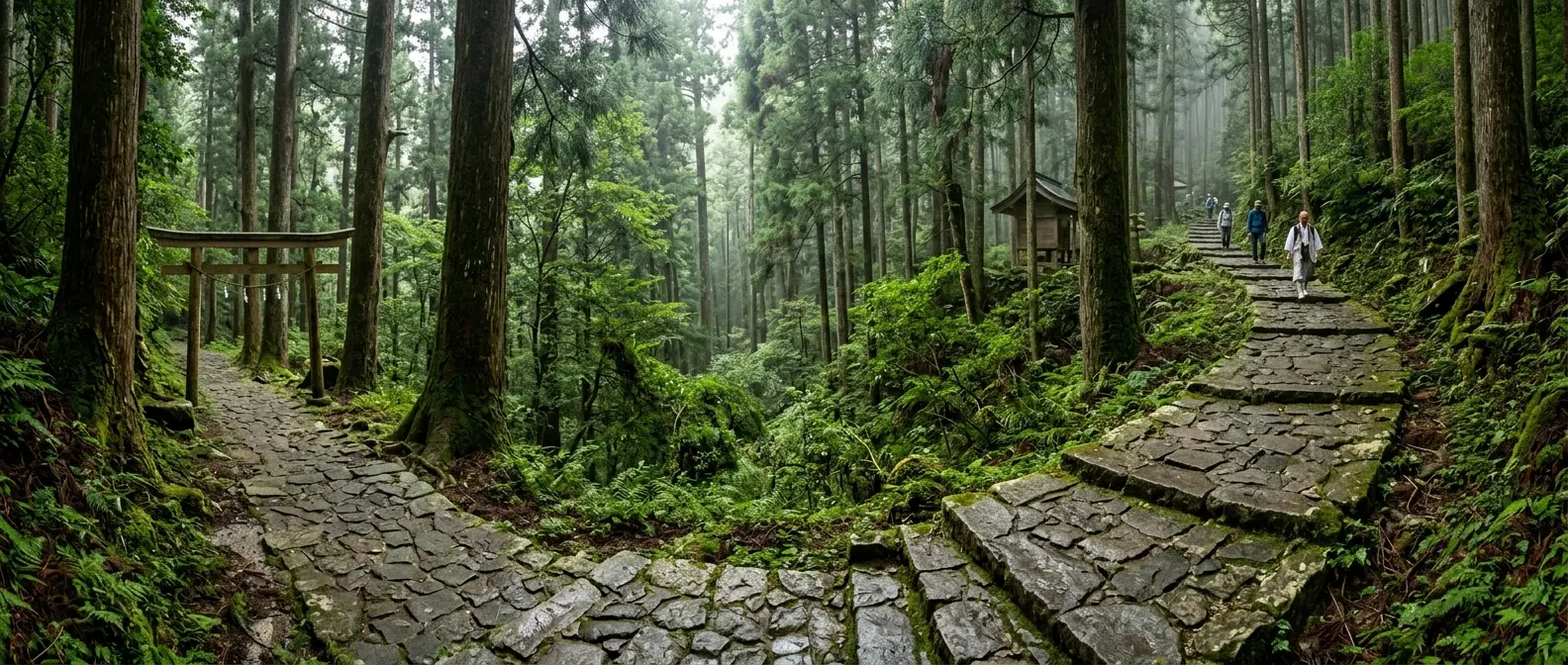
Kumano Kodō Pilgrimage
The Kumano Kodō is one of Japan’s most remarkable networks of ancient pilgrimage routes, crossing the forested mountains of the…
-
Minimalism in Everyday Life
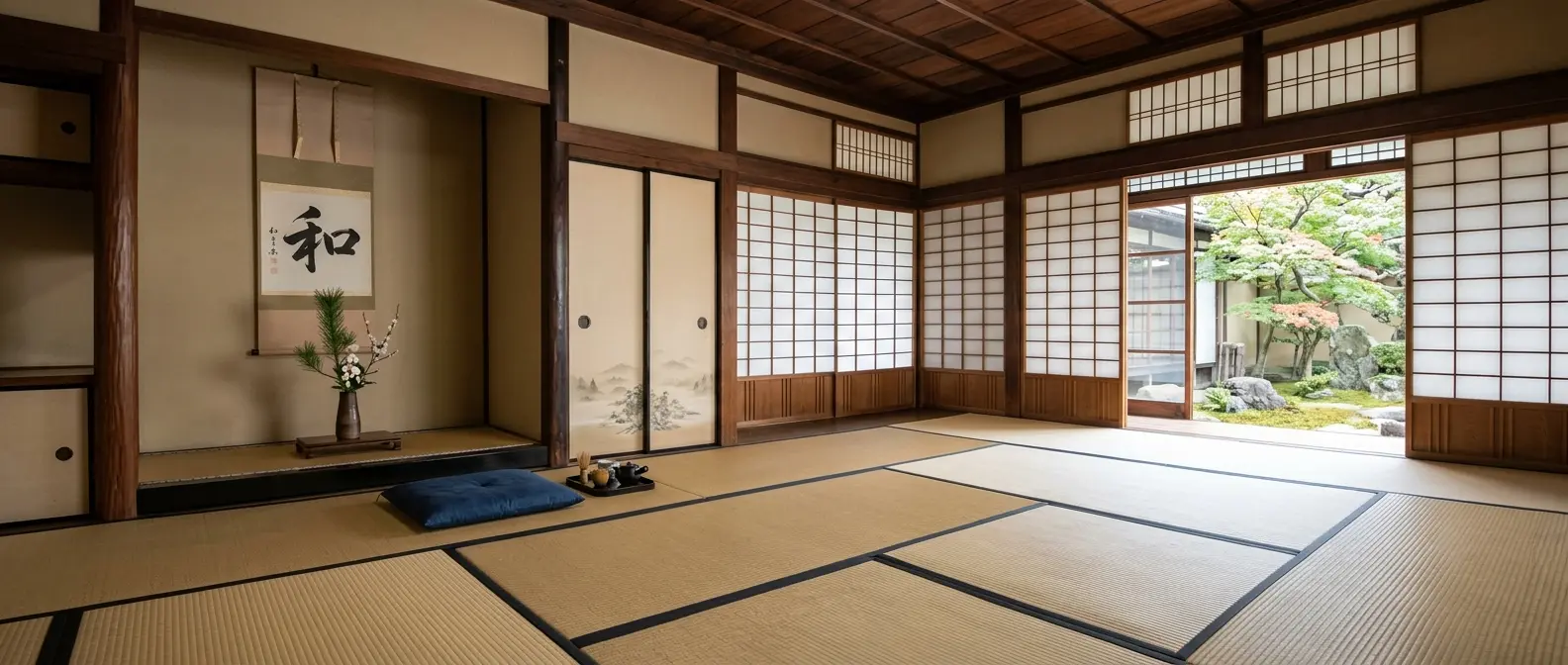
Minimalism is often associated with the idea of owning fewer things, reducing possessions and creating simpler spaces. Yet in Japan,…
-
 Read More: Obon: Honouring the Ancestors
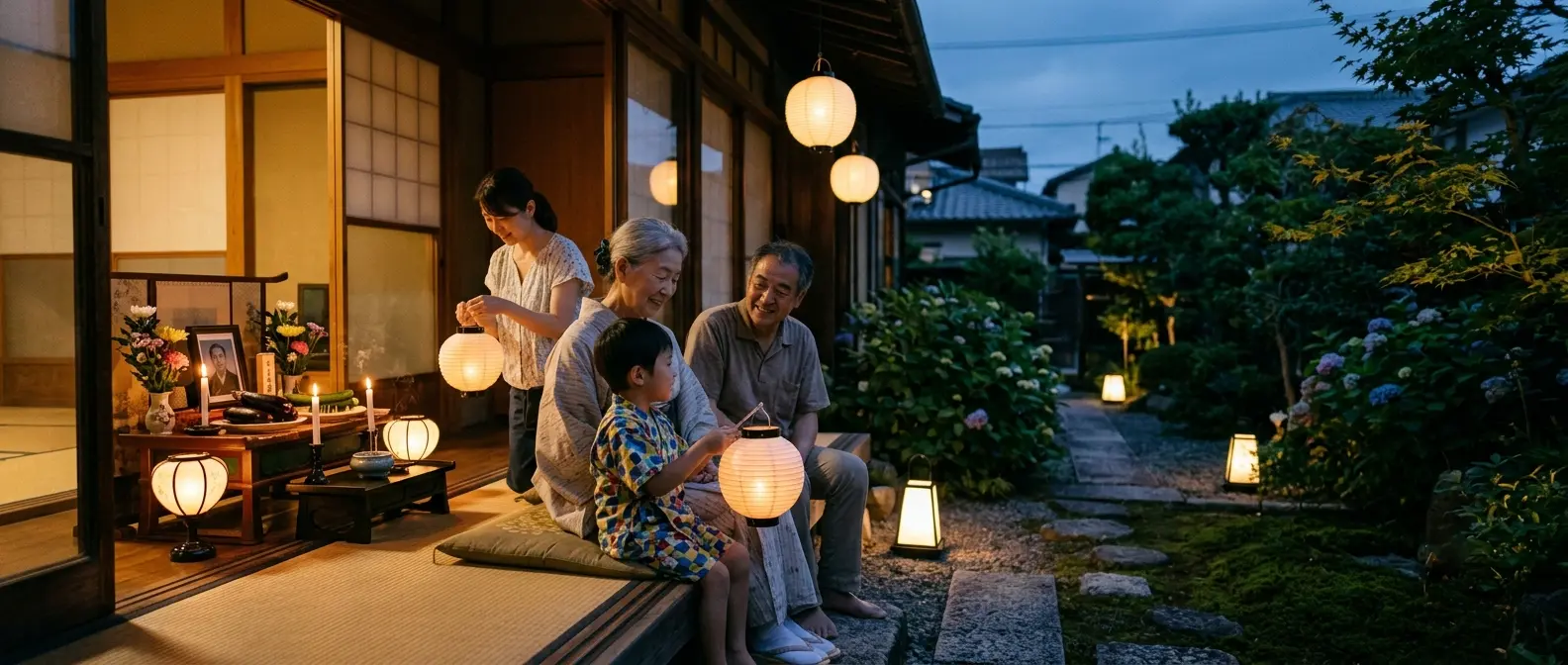
Among Japan’s most important seasonal traditions, Obon (お盆) is a period dedicated to remembering and honouring ancestors. Although often described as a Buddhist custom, Obon has developed over centuries through a combination of Buddhist beliefs, local practices and older traditions connected with respect for family lineage. During this period, many people return to their hometowns,…
-
 Read More: The Path to the Tea House
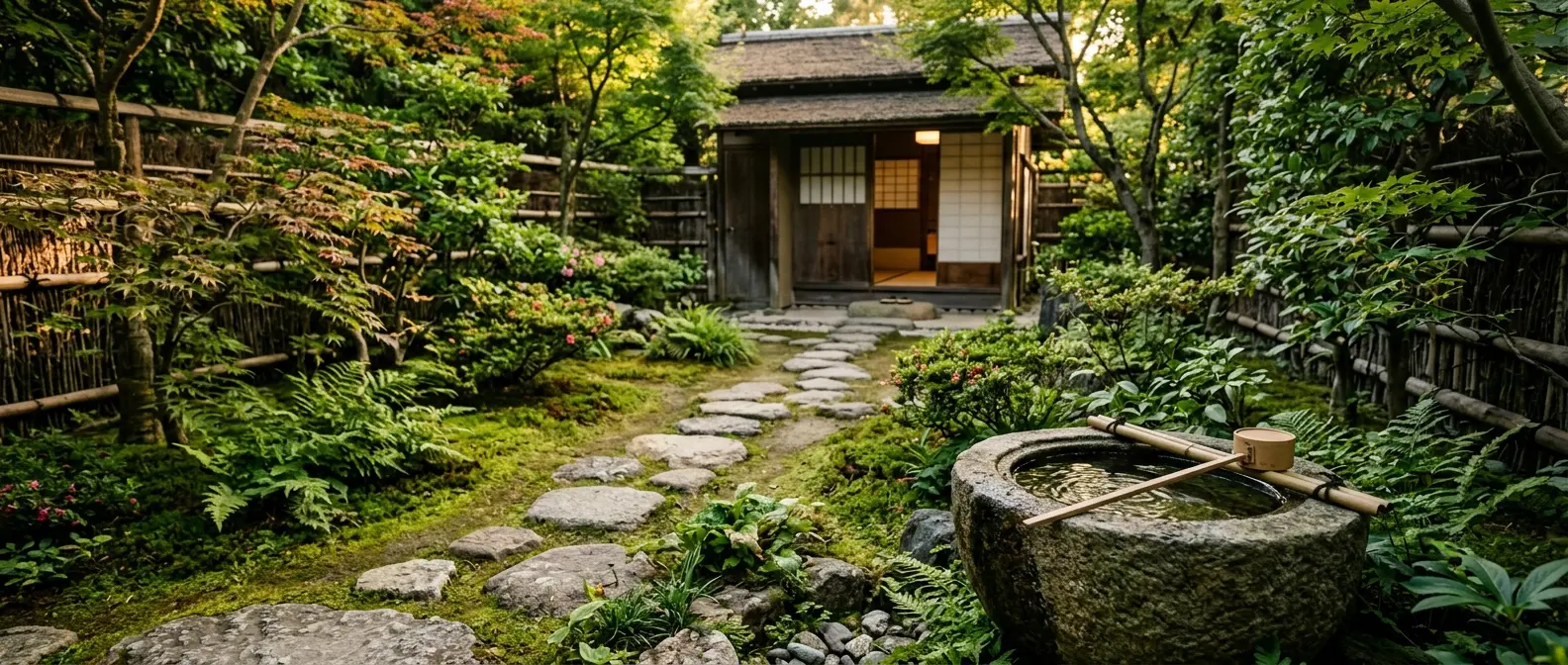
Before entering a traditional Japanese tea room, guests do not simply cross a doorway. They follow a carefully designed path that gradually separates them from the distractions of everyday life and prepares them for a different kind of experience. Known as roji (露地), the tea garden is not merely an approach to a building. It…
-
 Read More: Nature as a Design Principle
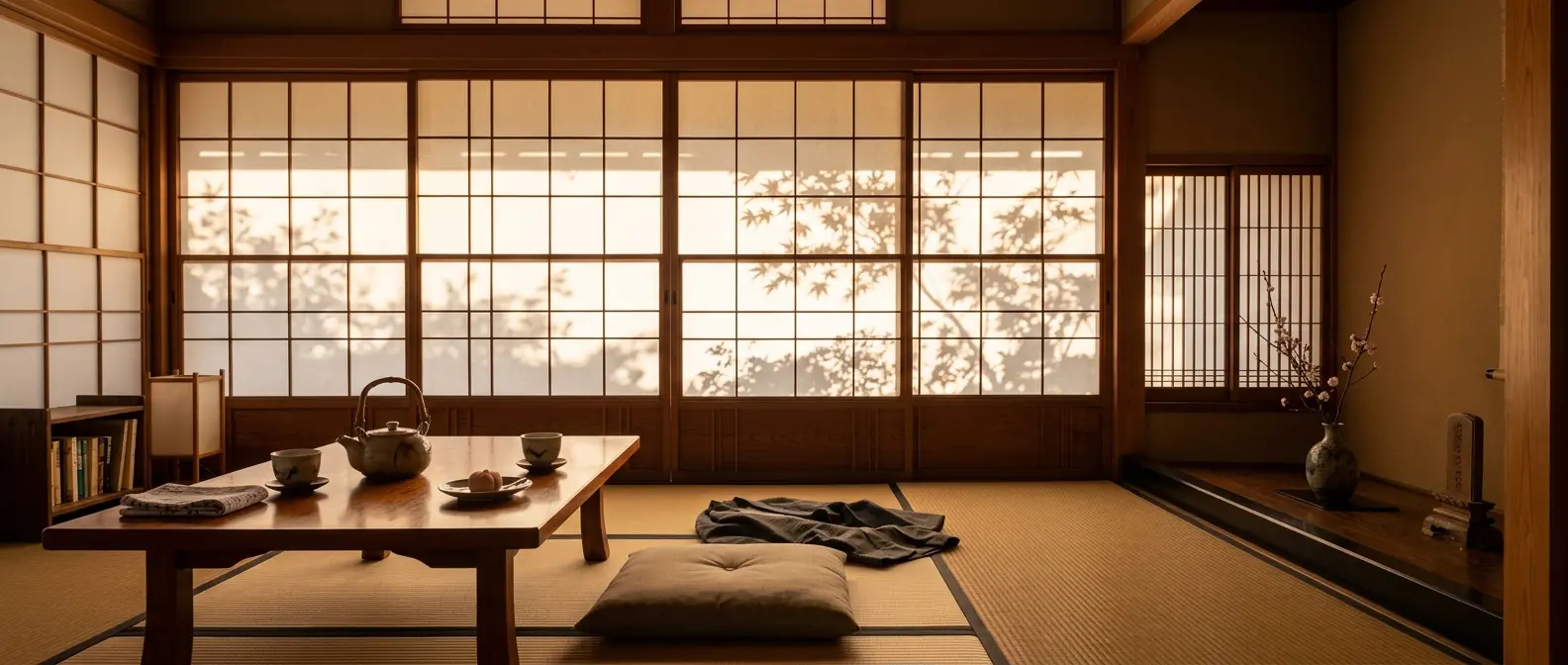
The relationship between nature and design is often described in terms of inspiration. Buildings imitate organic forms, products borrow colours from landscapes, and decorative motifs reproduce leaves, flowers or waves. In this view, nature serves primarily as a source of visual ideas. Japanese design has frequently followed a different path. Rather than treating nature as…
-
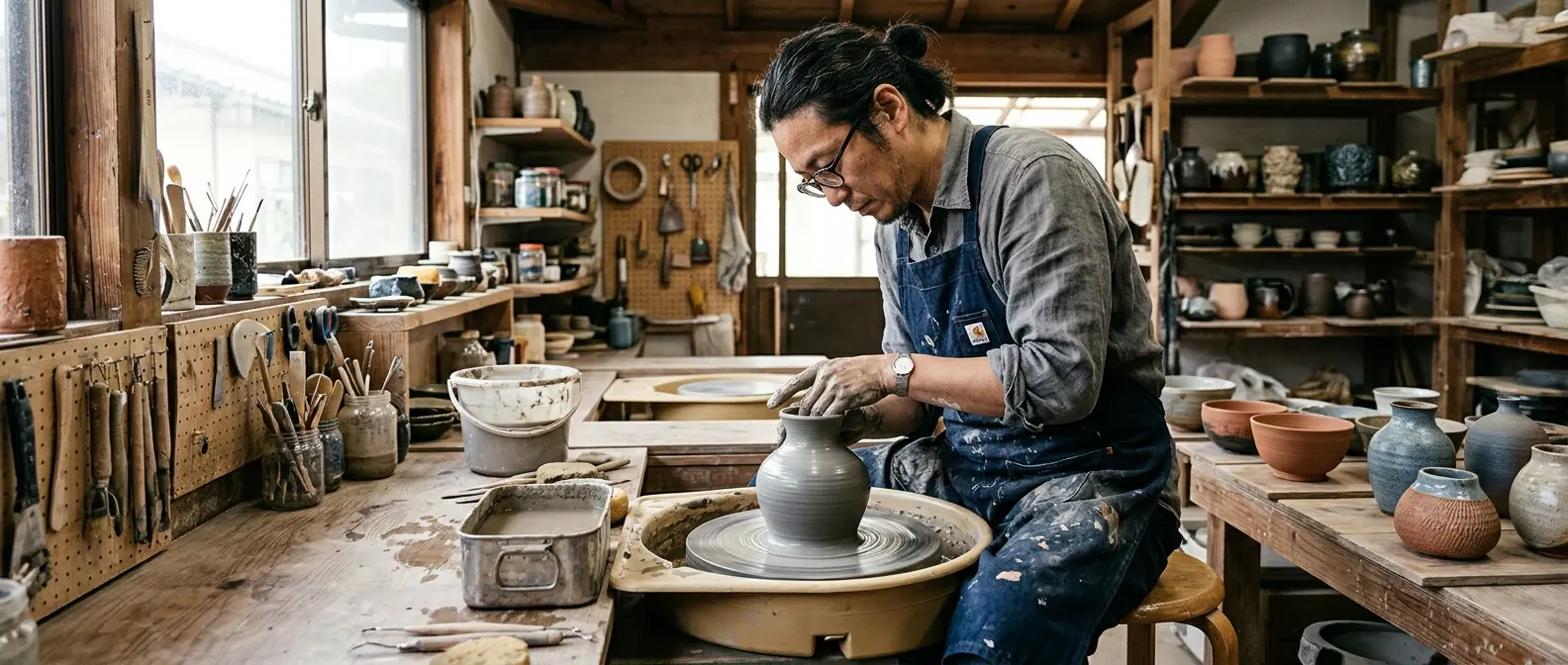 Read More: Contemporary Japanese Ceramics
Japanese ceramics represent one of the clearest examples of how tradition can remain alive through continuous transformation. For centuries, pottery in Japan has developed through a close relationship between natural materials, human craftsmanship and the unpredictable forces of fire. Today, contemporary Japanese ceramic artists continue this heritage while exploring new forms, personal expressions and innovative…
-
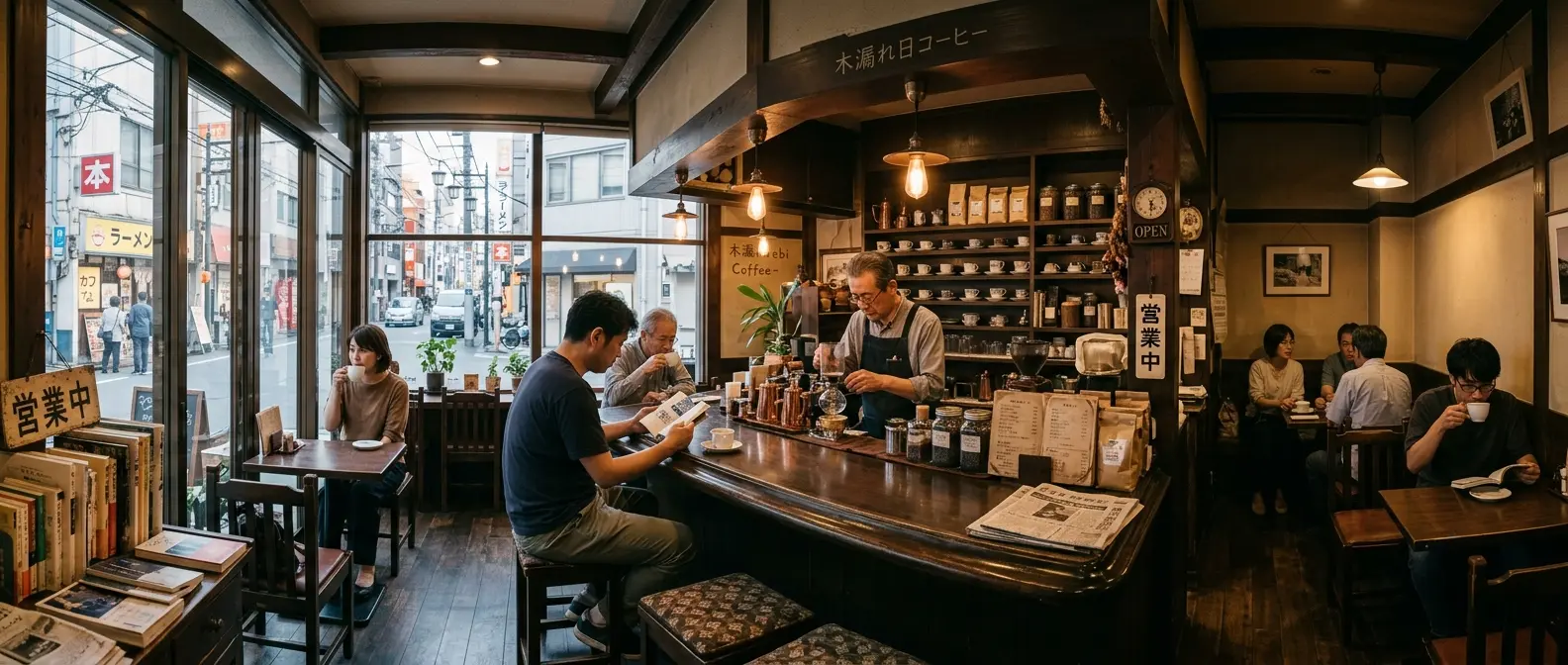 Read More: Small Cafés and Local Culture
In Japanese cities, small cafés are more than places to drink coffee. They are spaces where people slow down, spend time alone or share quiet moments with others. Away from the speed of crowded streets and busy stations, these places offer a different rhythm of urban life. From traditional kissaten (喫茶店) to modern independent cafés,…
-
 Read More: The Floating Torii of Miyajima
Few images represent the connection between Japanese spirituality and the natural world as vividly as the great torii gate of Miyajima. Standing in the waters of the Seto Inland Sea, the gate appears to float above the tides, creating a powerful visual relationship between architecture, landscape and the sacred. Located on the island of Itsukushima,…
-
Read More: The World of Noh Theatre
Among Japan’s traditional performing arts, Noh theatre stands out for its unique approach to storytelling. Rather than relying on realistic acting, elaborate scenery or fast-paced action, Noh creates meaning through subtle movement, symbolic gestures, music and silence. Developed over centuries, Noh is one of the oldest forms of theatre still performed today. Its carefully preserved…
-
Read More: Gardens of Moss and Time
Among the many elements that define Japanese garden aesthetics, moss occupies a unique position. Unlike flowers that attract attention through colour and seasonal change, moss creates beauty through patience. It grows slowly, responds to its environment and transforms gradually over time, becoming a living expression of continuity and age. In Japanese gardens, moss is not…
-
 Read More: The Japanese Sense of Time
In contemporary society, time is often measured through efficiency, speed and productivity. Schedules, deadlines and constant availability shape everyday life, creating the impression that time is something to control, optimise and consume. Japanese culture, while certainly part of a highly organised and technologically advanced society, has also preserved a different relationship with time. Beyond the…
-
 Read More: Washi: The Beauty of Handmade Paper
For centuries, Japanese paper has represented much more than a simple material for writing or printing. Known as washi (和紙), it embodies a distinctive approach to craftsmanship in which natural materials, human skill and aesthetic sensitivity come together. Unlike industrial paper, designed for uniformity and efficiency, handmade washi preserves the character of the fibres from…
-
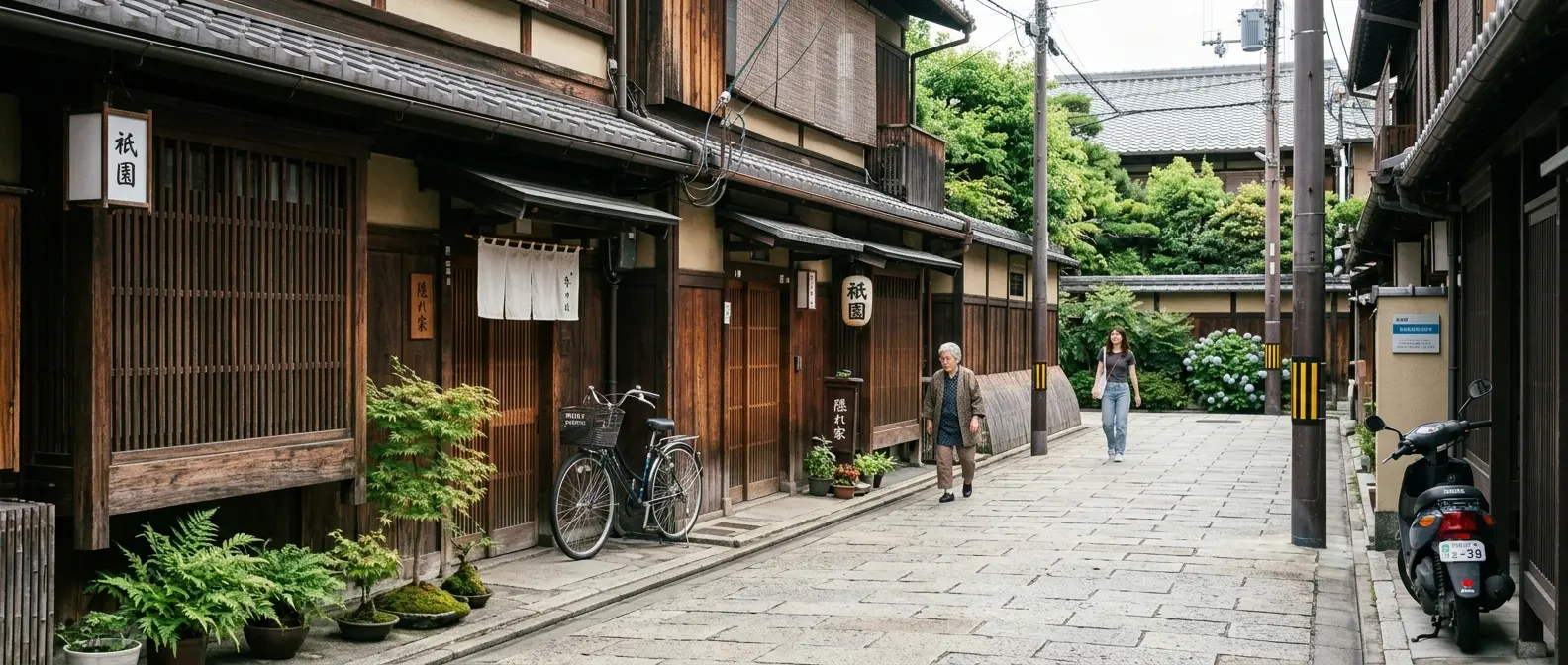 Read More: Hidden Streets of Kyoto
Kyoto is often associated with its most famous landmarks: ancient temples, elegant gardens and traditional neighbourhoods that attract visitors from around the world. Yet beyond these well-known destinations lies another city, formed by narrow streets, quiet passages and residential areas where everyday life continues at a slower rhythm. These hidden corners reveal a different side…
-
Read More: Kumano Kodō Pilgrimage
The Kumano Kodō is one of Japan’s most remarkable networks of ancient pilgrimage routes, crossing the forested mountains of the Kii Peninsula in Wakayama and surrounding regions. For more than a thousand years, these paths have connected sacred sites, natural landscapes and spiritual traditions, creating a journey in which the act of walking itself becomes…
Urban Japan
-

Life Around the Railway Stations
In Japan, railway stations are not simply points of arrival and departure. They are among the most important spaces of…
-

Japanese Bookstores: Spaces of Culture
In Japan, bookstores are often more than places where people purchase books. They can be spaces for discovery, quiet reflection…
-
Tokyo After Sunset
As daylight fades over Tokyo, the city does not simply become darker. It changes character. The streets that appeared functional…
-
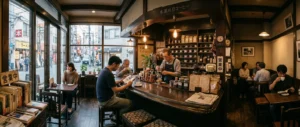
Small Cafés and Local Culture
In Japanese cities, small cafés are more than places to drink coffee. They are spaces where people slow down, spend…