
Author: John Suna
-
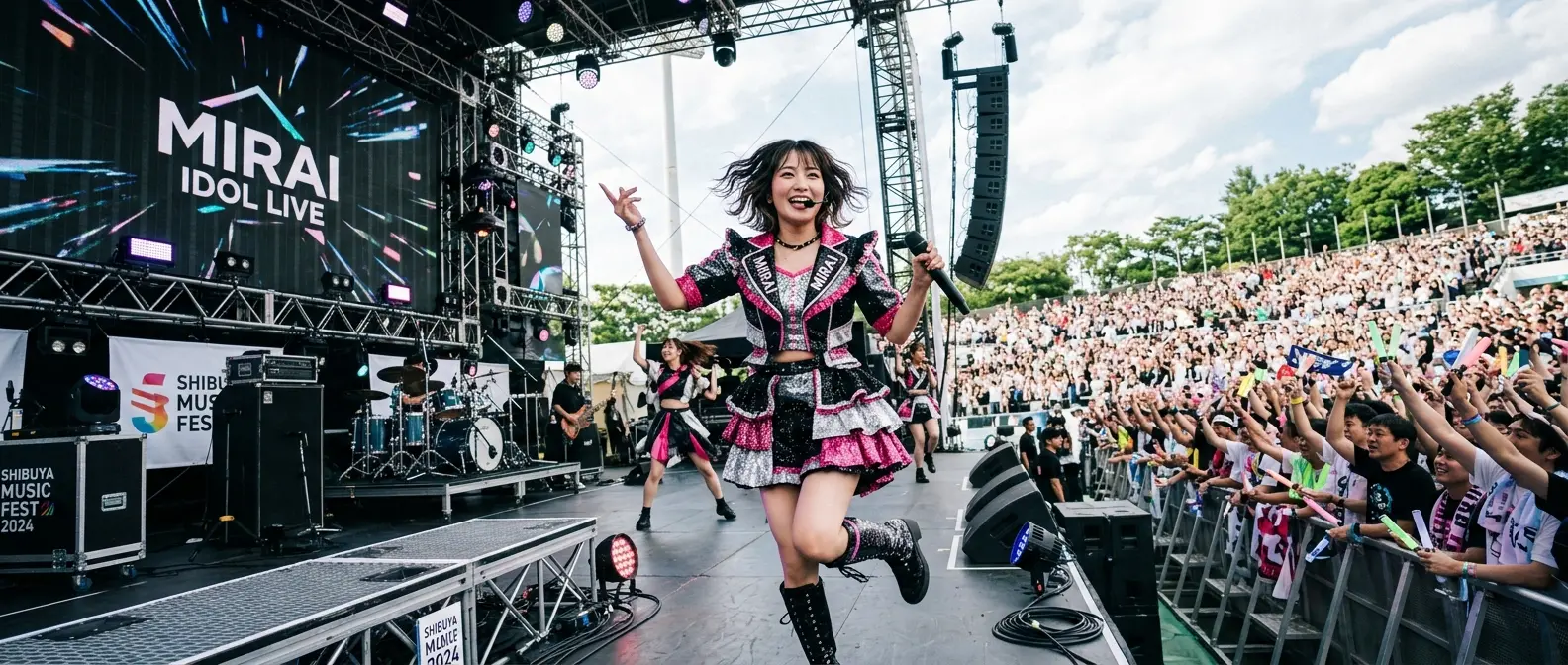
Idols: Japan’s Culture of Devotion
Read more: Idols: Japan’s Culture of DevotionIn Japan, the word idol (アイドル, aidoru) describes a type of performer whose appeal goes beyond music or stage performance. An idol may sing,…
-
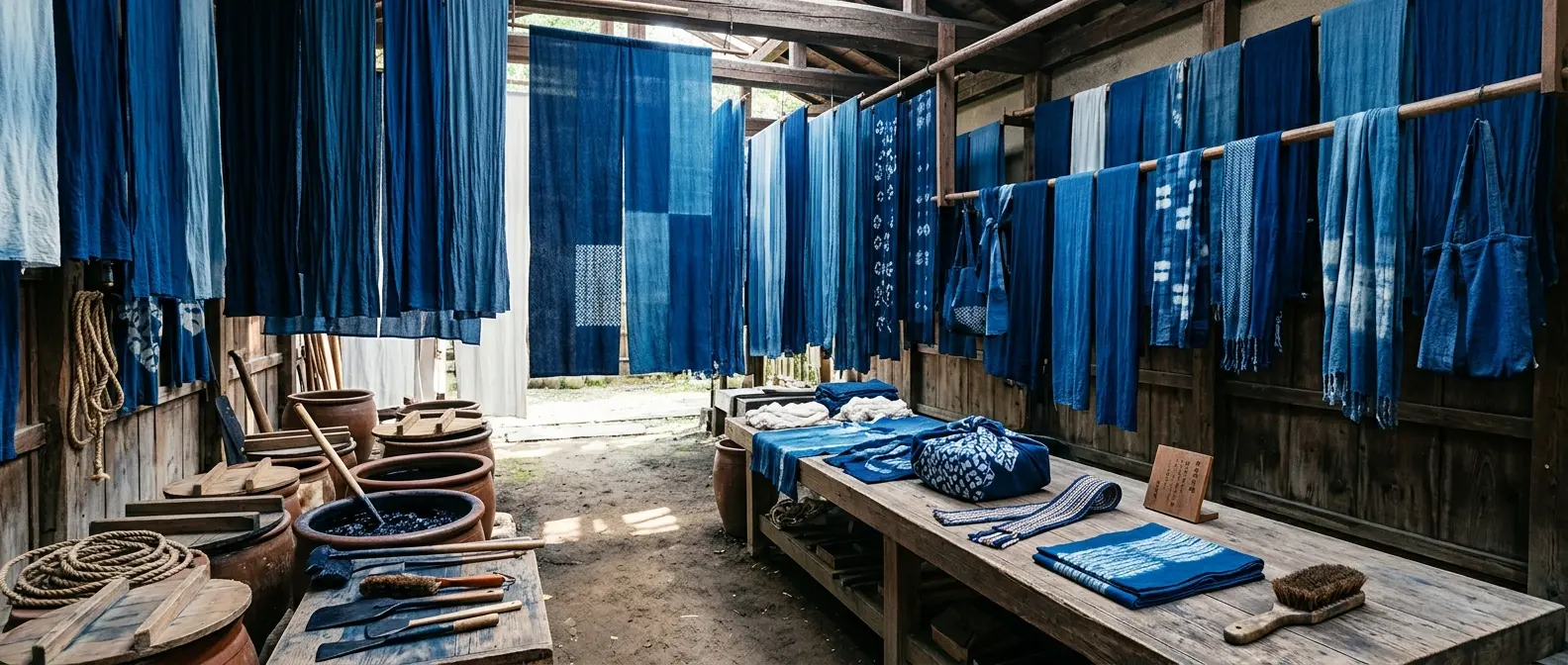
Textile Arts and Indigo Dyeing
Read more: Textile Arts and Indigo DyeingAmong Japan’s traditional crafts, textile arts reveal a profound relationship between human creativity, natural materials and the passage of time. From kimono and ceremonial…
-
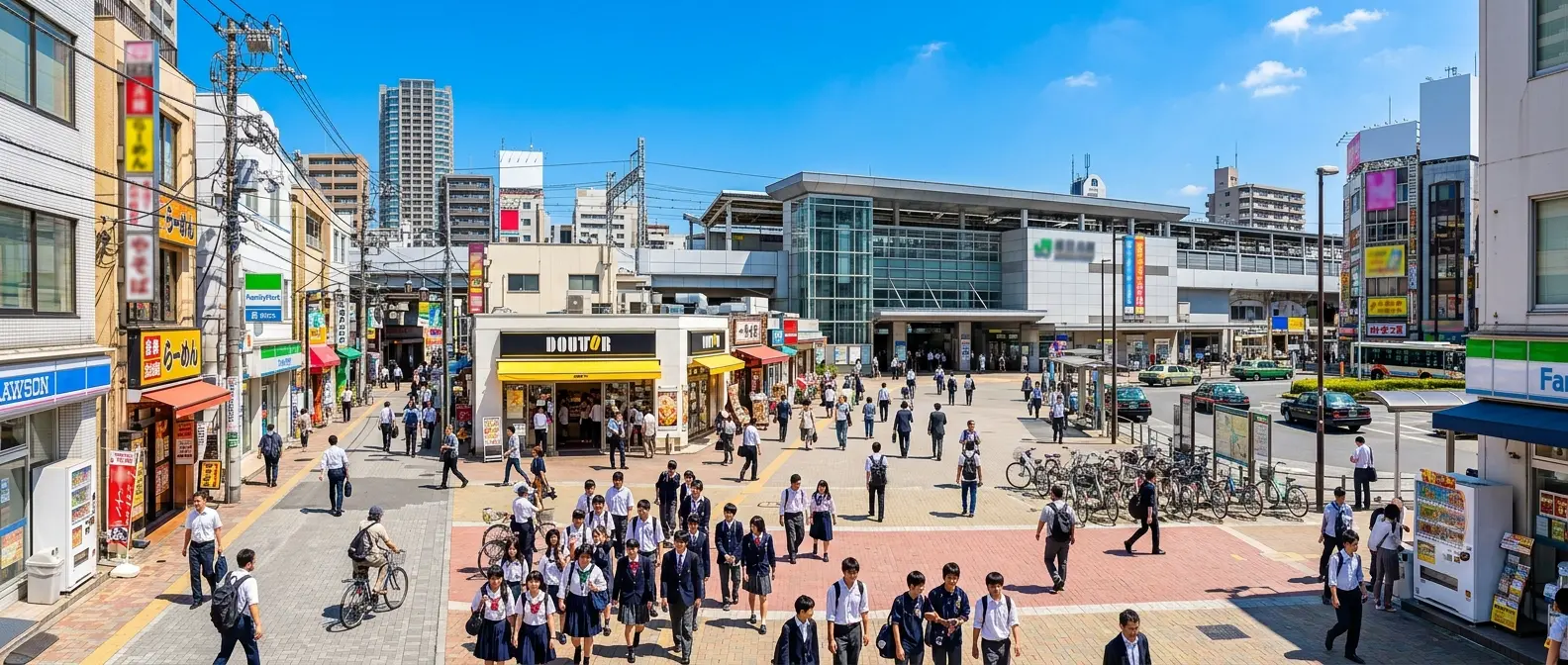
Life Around the Railway Stations
Read more: Life Around the Railway StationsIn Japan, railway stations are not simply points of arrival and departure. They are among the most important spaces of everyday urban life, places…
-
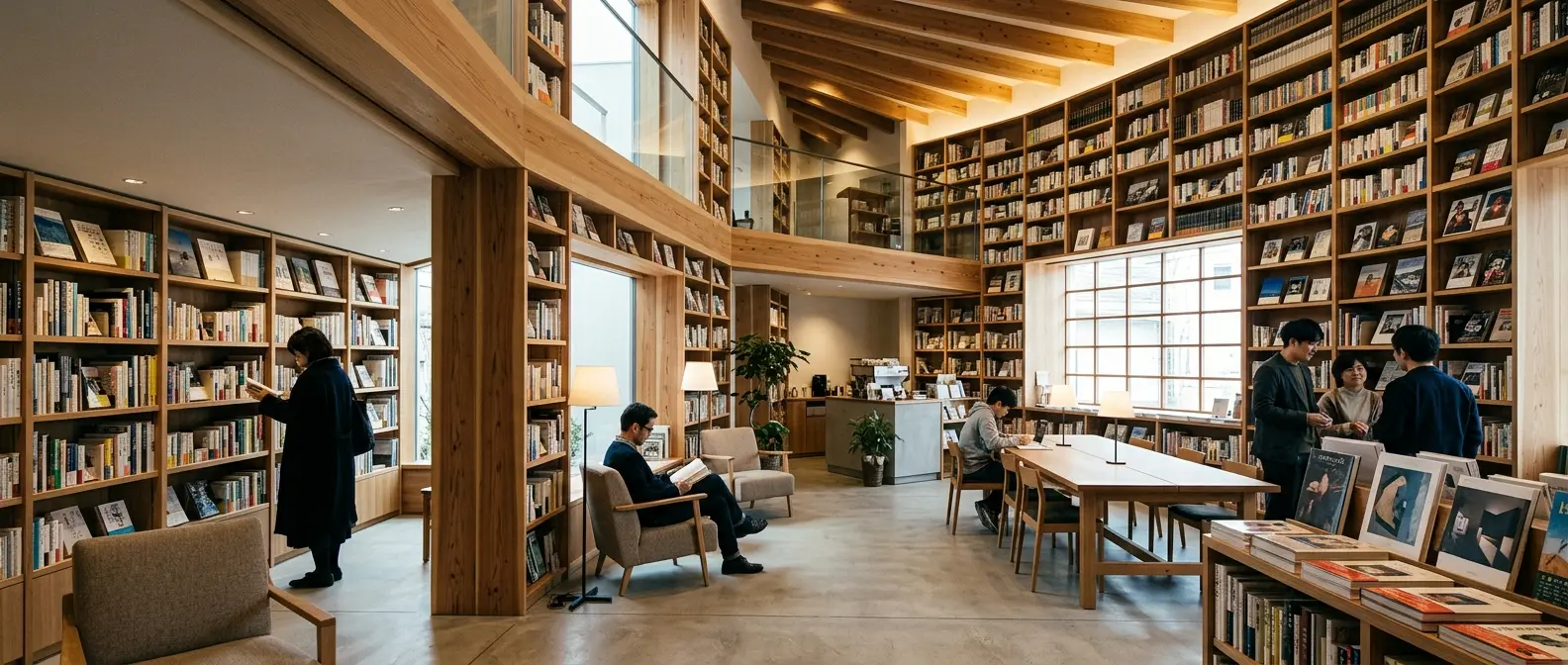
Japanese Bookstores: Spaces of Culture
Read more: Japanese Bookstores: Spaces of CultureIn Japan, bookstores are often more than places where people purchase books. They can be spaces for discovery, quiet reflection and cultural exchange, where…
-
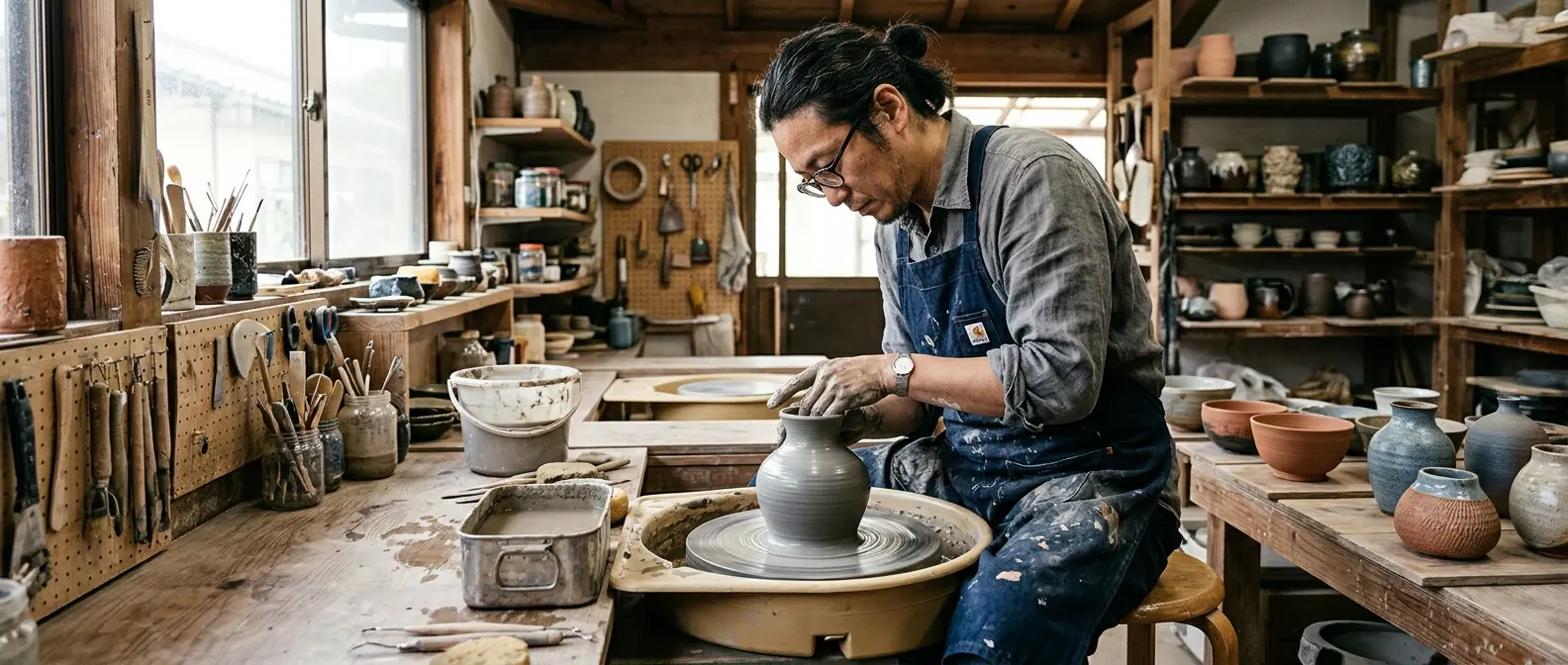
Contemporary Japanese Ceramics
Read more: Contemporary Japanese CeramicsJapanese ceramics represent one of the clearest examples of how tradition can remain alive through continuous transformation. For centuries, pottery in Japan has developed…
-
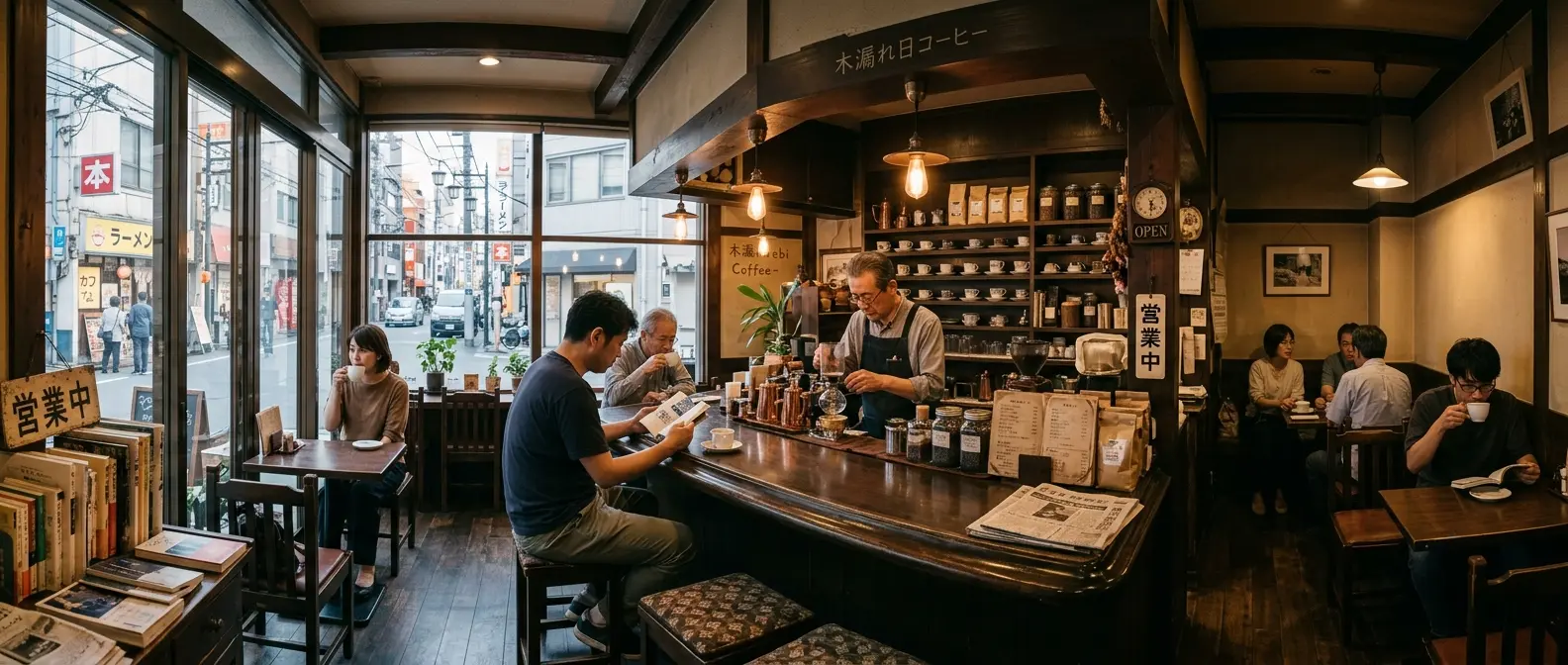
Small Cafés and Local Culture
Read more: Small Cafés and Local CultureIn Japanese cities, small cafés are more than places to drink coffee. They are spaces where people slow down, spend time alone or share…
-

Washi: The Beauty of Handmade Paper
Read more: Washi: The Beauty of Handmade PaperFor centuries, Japanese paper has represented much more than a simple material for writing or printing. Known as washi (和紙), it embodies a distinctive…
-
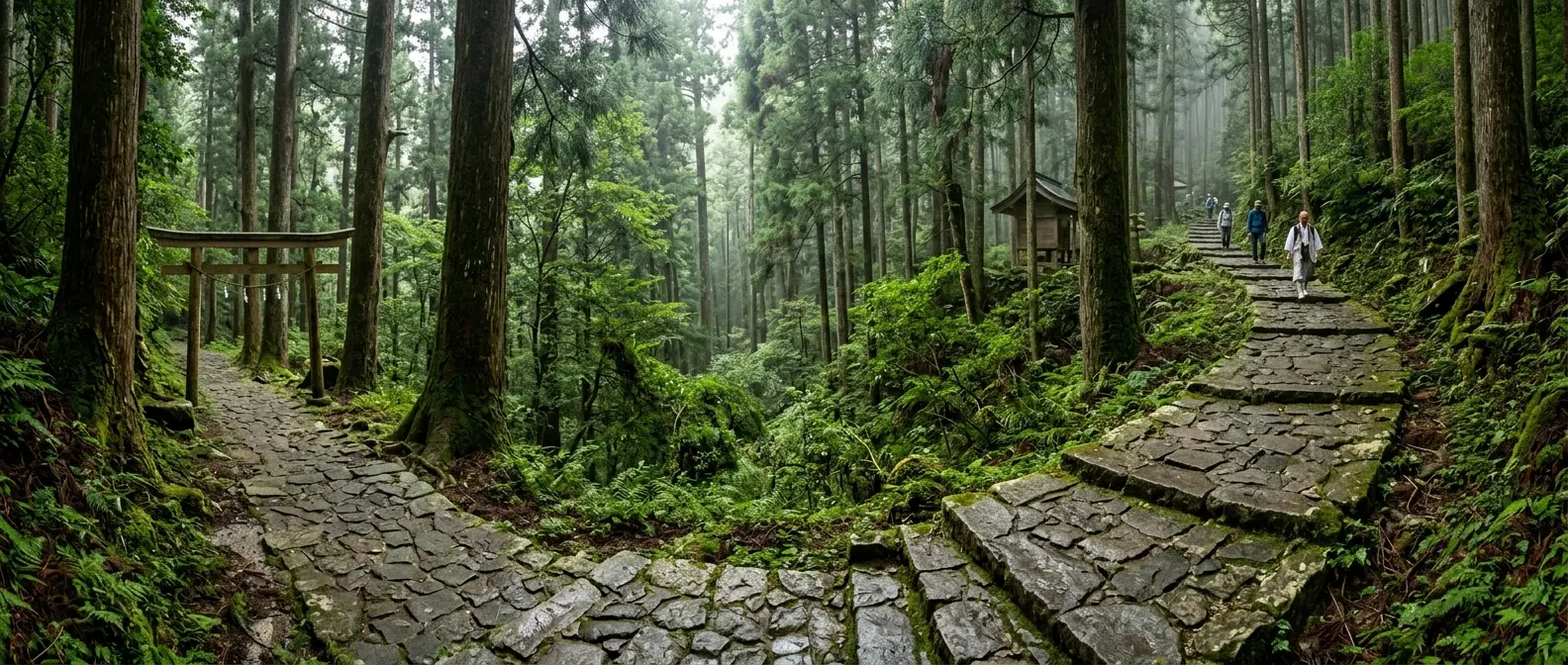
Kumano Kodō Pilgrimage
Read more: Kumano Kodō PilgrimageThe Kumano Kodō is one of Japan’s most remarkable networks of ancient pilgrimage routes, crossing the forested mountains of the Kii Peninsula in Wakayama…
-
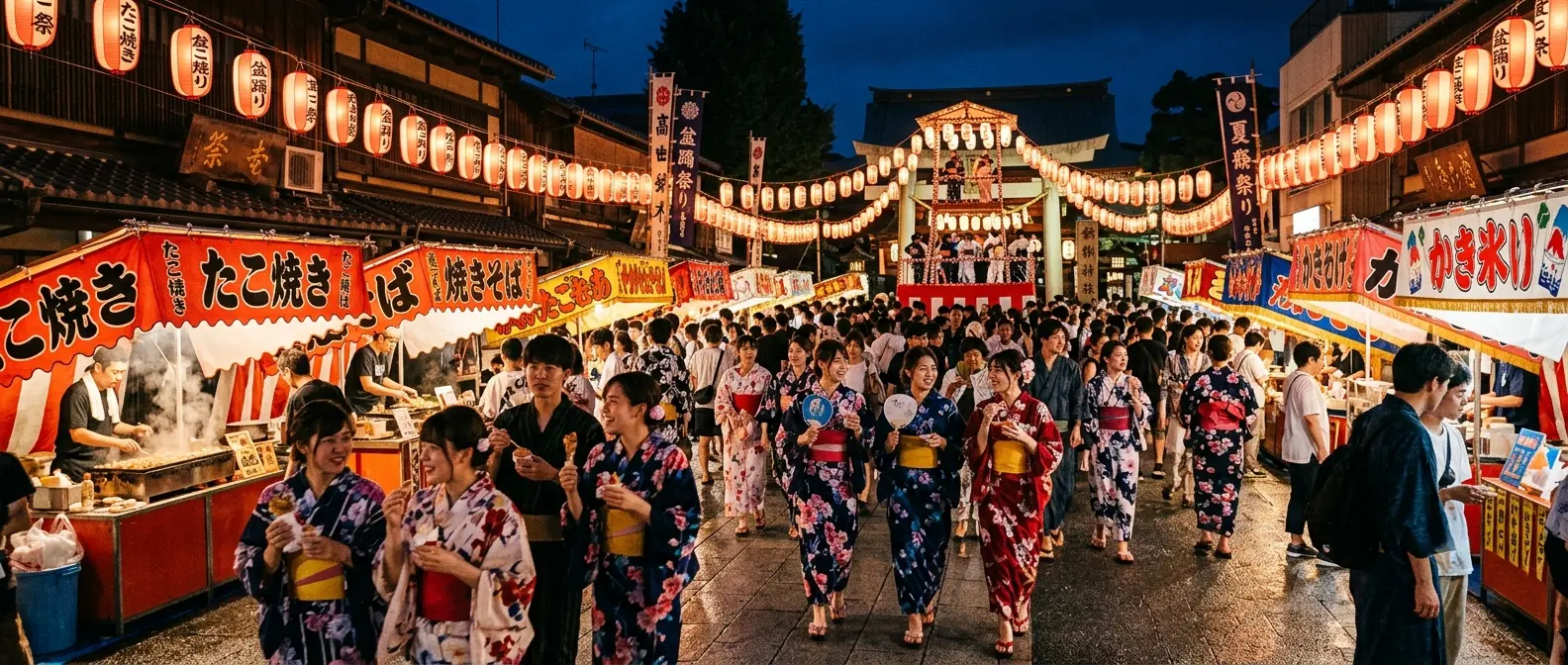
Matsuri: Festivals Through the Seasons
Read more: Matsuri: Festivals Through the SeasonsIn Japan, a festival is rarely just a celebration. The word matsuri (祭り) is often translated as “festival”, but this translation does not fully…