
Author: Kathleen Sunarose
-
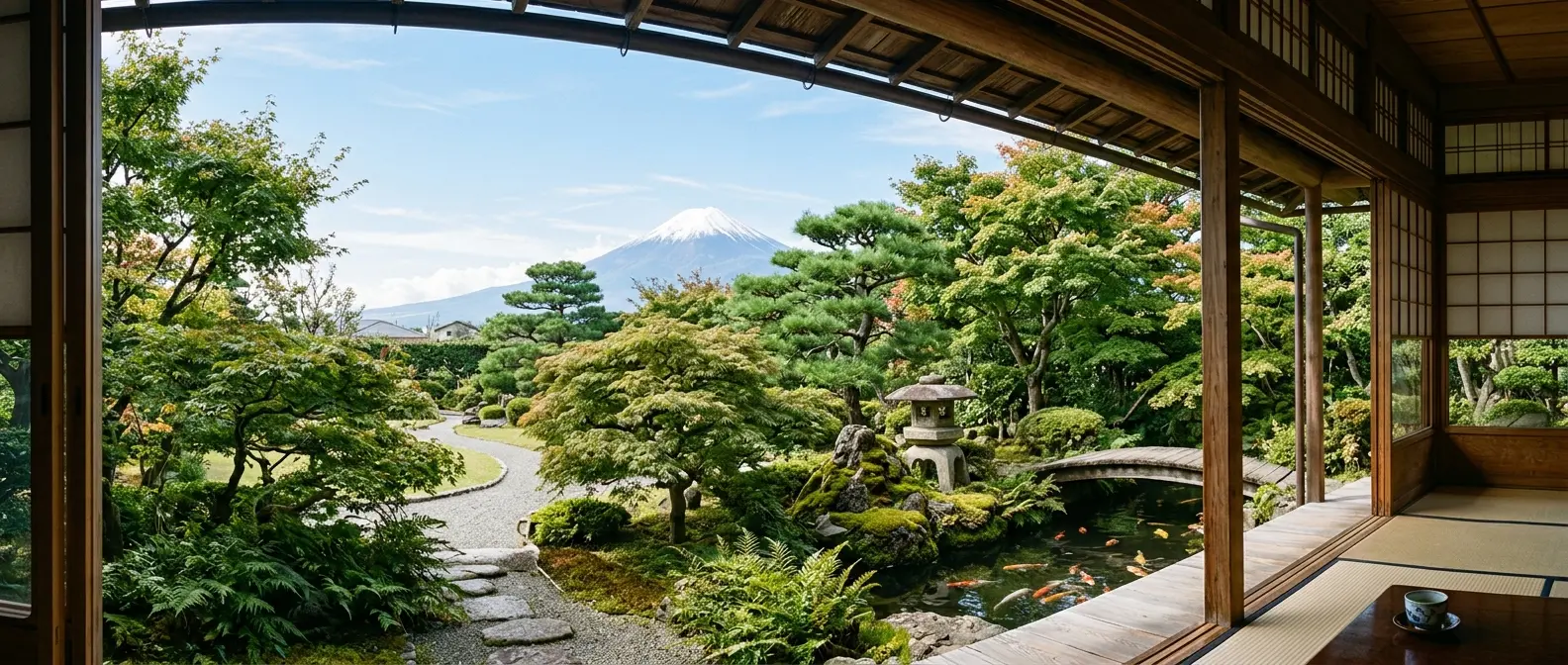
Borrowed Scenery
Read more: Borrowed SceneryA Japanese garden is rarely designed as an isolated space. Beyond its walls, fences or carefully placed boundaries, the surrounding landscape often becomes part…
-
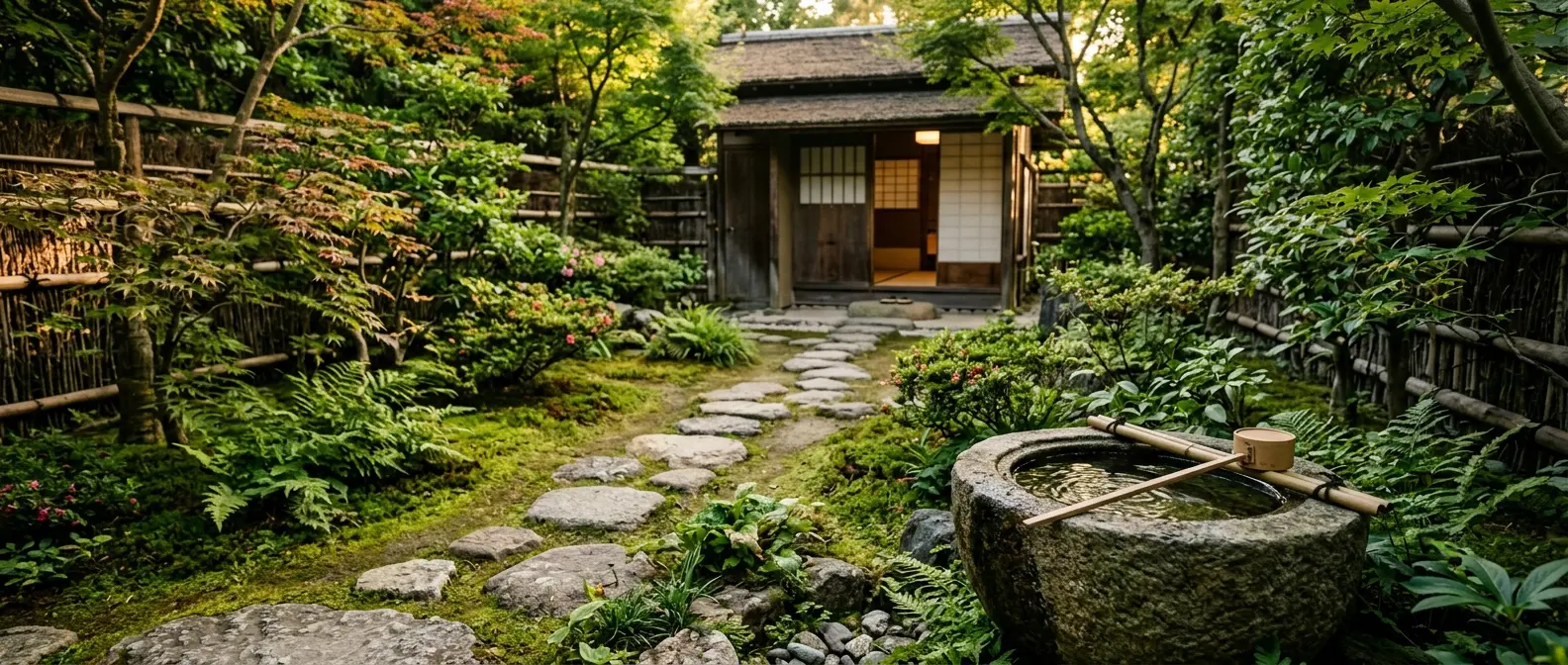
The Path to the Tea House
Read more: The Path to the Tea HouseBefore entering a traditional Japanese tea room, guests do not simply cross a doorway. They follow a carefully designed path that gradually separates them…
-
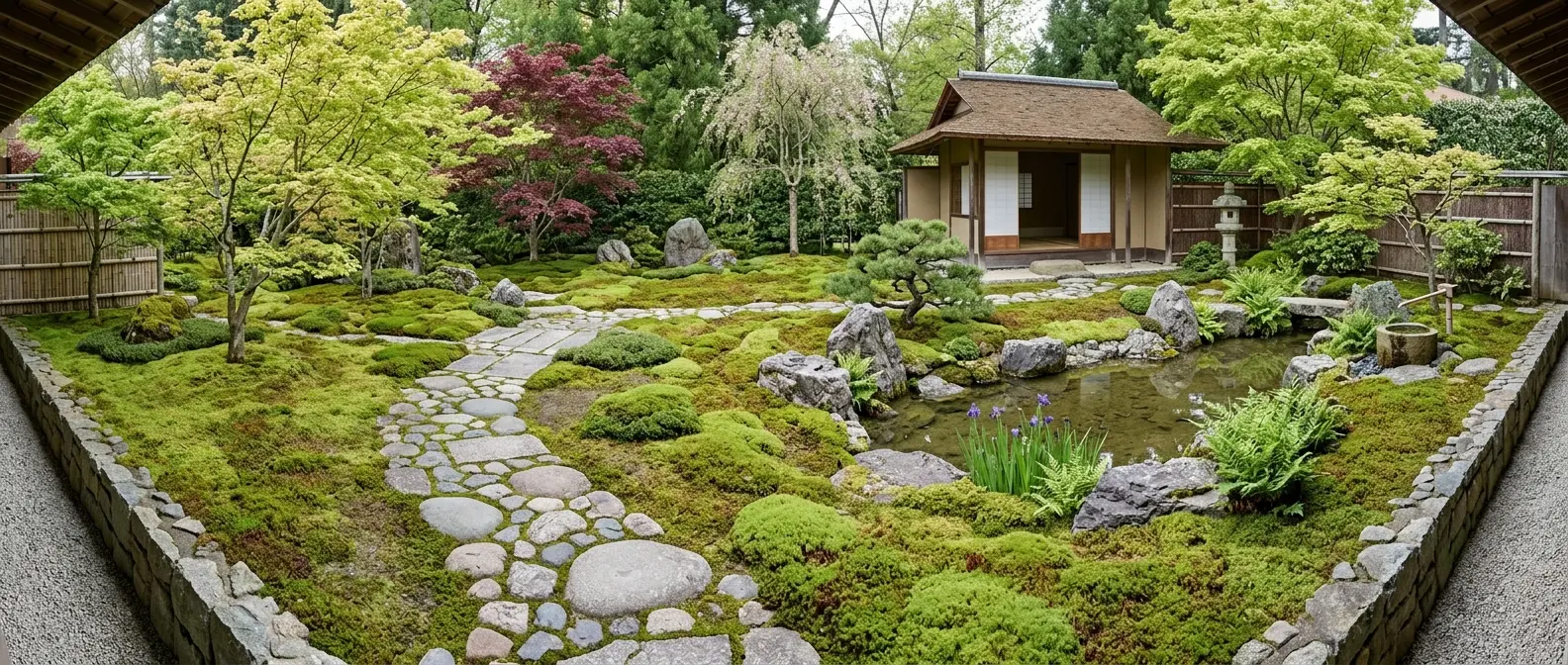
Gardens of Moss and Time
Read more: Gardens of Moss and TimeAmong the many elements that define Japanese garden aesthetics, moss occupies a unique position. Unlike flowers that attract attention through colour and seasonal change,…
-

The Art of Dry Landscape Gardens
Read more: The Art of Dry Landscape GardensAmong the many forms of Japanese garden design, few are as recognisable and misunderstood as the dry landscape garden, known in Japanese as karesansui…
-
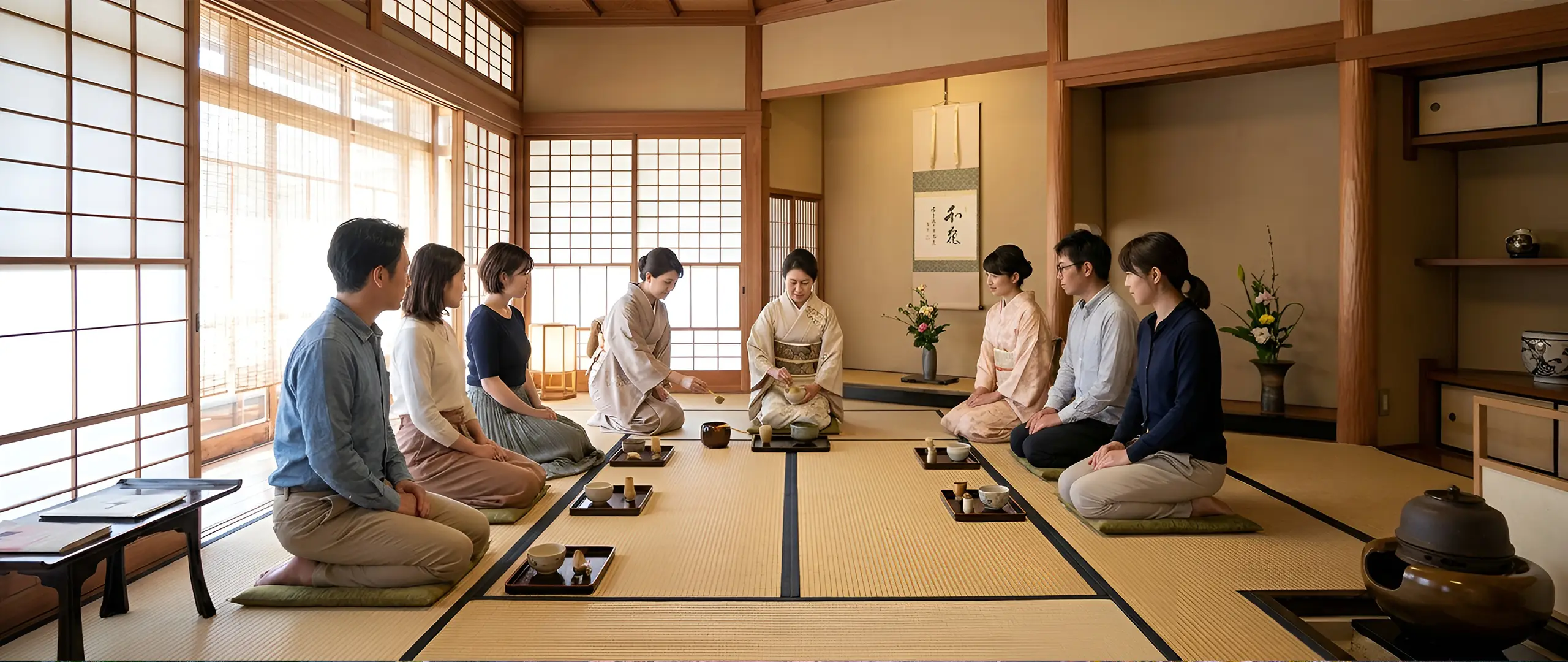
The Way of Tea
Read more: The Way of TeaThe room is almost silent. Soft daylight filters through translucent shoji screens, illuminating the texture of natural wood and the smooth surface of carefully…
-

Principles of Japanese Garden Design
Read more: Principles of Japanese Garden DesignJapanese Zen gardens, particularly dry landscape gardens (karesansui), are often admired for their quiet beauty, but their purpose extends beyond aesthetics. Every stone, every…