
Category: Japanese Gardens
Explore the philosophy and aesthetics behind Japanese gardens, where space, simplicity and natural elements become tools for contemplation. From dry landscapes and moss gardens to borrowed scenery and traditional pathways, these articles reveal how Japanese garden design transforms nature into spaces of balance, reflection and harmony.
-
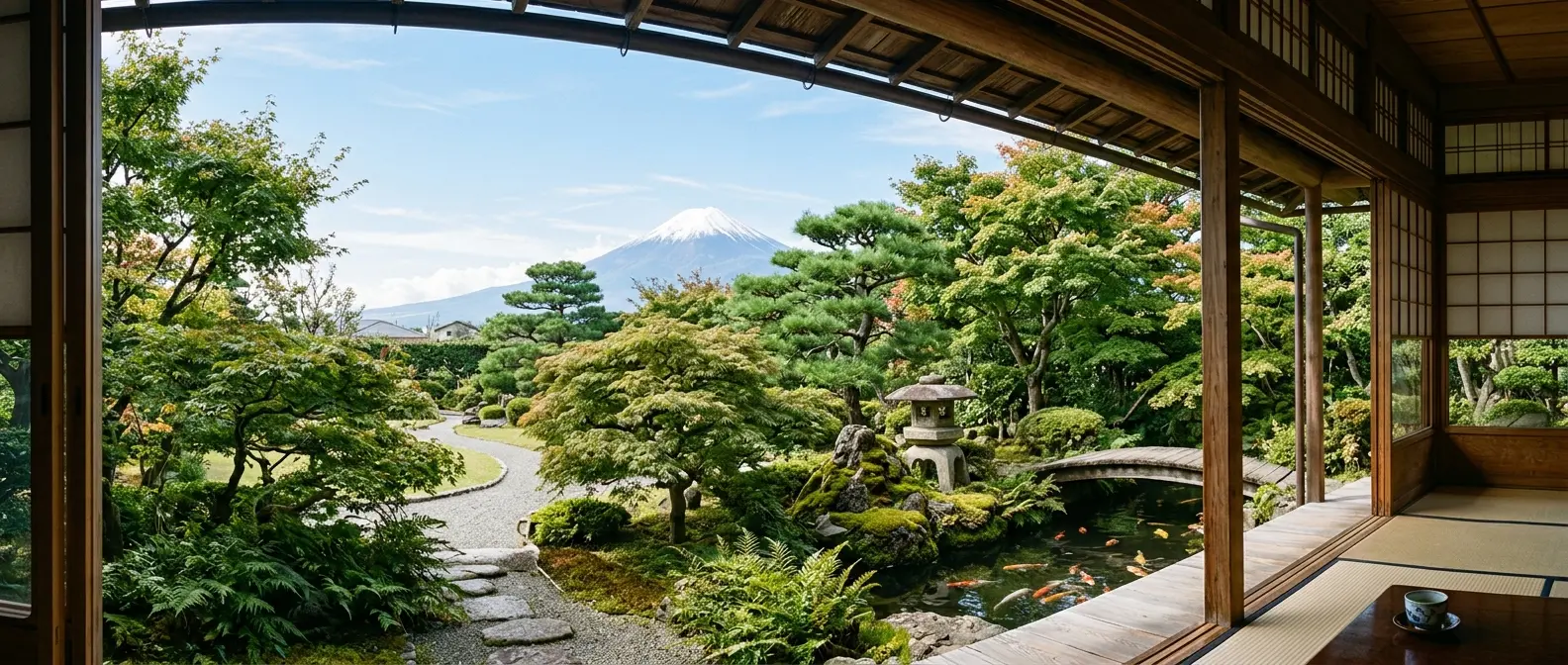
Borrowed Scenery
Read more: Borrowed SceneryA Japanese garden is rarely designed as an isolated space. Beyond its walls, fences or carefully placed boundaries, the surrounding landscape often becomes part…
-
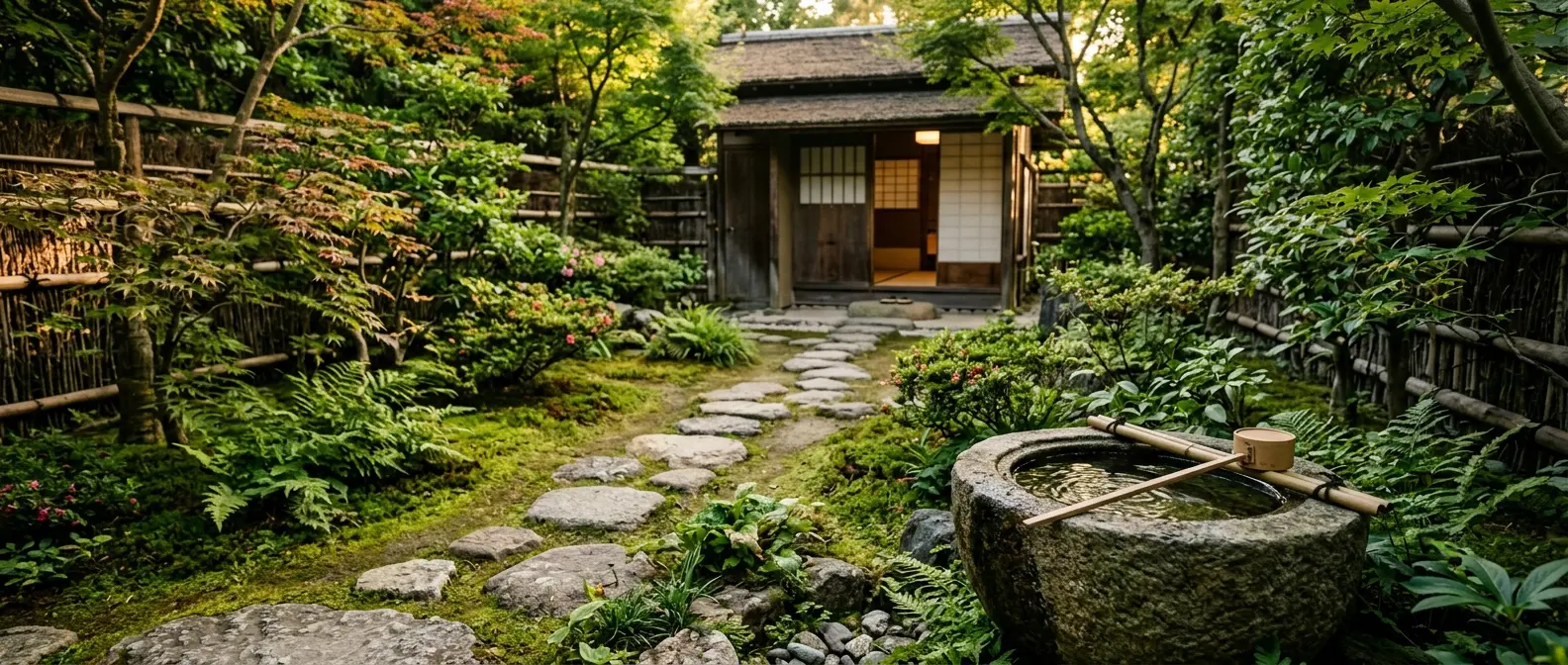
The Path to the Tea House
Read more: The Path to the Tea HouseBefore entering a traditional Japanese tea room, guests do not simply cross a doorway. They follow a carefully designed path that gradually separates them…
-
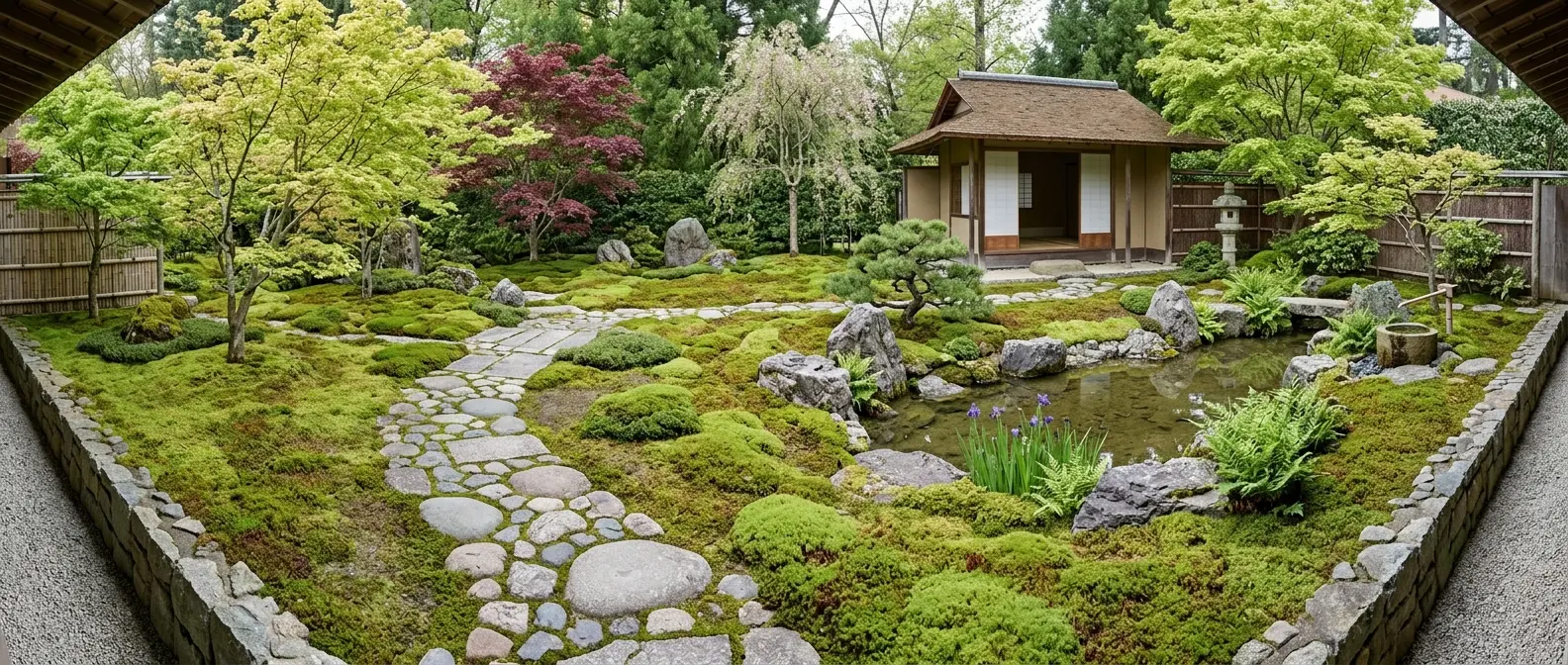
Gardens of Moss and Time
Read more: Gardens of Moss and TimeAmong the many elements that define Japanese garden aesthetics, moss occupies a unique position. Unlike flowers that attract attention through colour and seasonal change,…
-

The Art of Dry Landscape Gardens
Read more: The Art of Dry Landscape GardensAmong the many forms of Japanese garden design, few are as recognisable and misunderstood as the dry landscape garden, known in Japanese as karesansui…
-

Principles of Japanese Garden Design
Read more: Principles of Japanese Garden DesignJapanese Zen gardens, particularly dry landscape gardens (karesansui), are often admired for their quiet beauty, but their purpose extends beyond aesthetics. Every stone, every…